-
 Welcome to plumtriA platform for Research & Innovation
 -
 Looking for Funding?Check out the current open calls
 -
 Register today to start receiving our monthly newsletter
 -
 Looking to partner up?Search our list of registered profiles
 -
 You have questions on a particular funding programme?

Is nature being fully considered in Maritime Spatial Planning across the Mediterranean?
Image
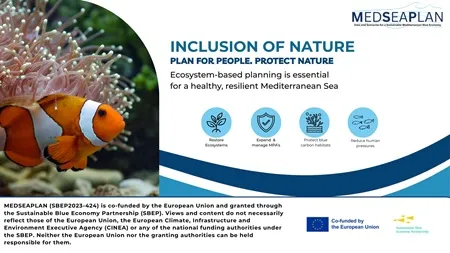
🌿Protecting the Mediterranean means more than drawing lines on a map.
The Mediterranean is one of the world’s richest marine ecosystems — but also one of its most pressured. From tourism and shipping to fisheries and coastal development, human activities continue to place increasing strain on marine habitats already affected by climate change.
Yet nature protection remains one of the weakest areas of Maritime Spatial Planning (MSP) implementation across the region.
Key challenges identified include:
⚠️ Limited ecosystem restoration actions
⚠️ Insufficient Marine Protected Area networks
⚠️ Weak protection of blue carbon ecosystems like Posidonia seagrass meadows
⚠️ Lack of clear measures to reduce environmental pressures at sea
There are still important signs of progress.
-France has mapped Posidonia oceanica ecosystems along its Mediterranean coast — a major step in protecting valuable carbon-storing habitats.
-Spain designated Natura 2000 sites as “Priority Zones for Biodiversity Protection” to help support EU conservation targets.
-Slovenia strengthened environmental assessments by considering cumulative impacts and land-sea interactions in its planning process.
Healthy marine ecosystems are not separate from economic development — they support fisheries, tourism, coastal resilience, biodiversity, and long-term sustainability across the Mediterranean.
As pressures on the region continue to grow, ecosystem-based Maritime Spatial Planning will be essential for ensuring that ocean development works with nature, not against it.
Information and image source:
📊 Source: WWF (2023), Maritime Spatial Planning in the Mediterranean Sea
Attachments: