-
 Welcome to plumtriA platform for Research & Innovation
 -
 Looking for Funding?Check out the current open calls
 -
 Register today to start receiving our monthly newsletter
 -
 Looking to partner up?Search our list of registered profiles
 -
 You have questions on a particular funding programme?

SustainOlive: Extracting Green Gold from Olive Waste
Only a fraction of a pressed olive’s nutrients reaches your bottle of oil, leaving behind a goldmine of unused compounds and proteins. Through SustainOlive, researchers at BKEA Ltd and Türkiye’s METU are transforming this neglected agricultural byproduct into eco-friendly food products and biomaterials, keeping this resource out of our waste systems.
Olive oil is inseparable from Mediterranean agriculture, cuisine and culture. Yet behind every bottle of olive oil lies a considerable quantity of residual biomass. Olive pomace, consisting largely of olive skin, pulp, seeds, water and residual oil, contains lipids, phenolic compounds, proteins and lignocellulosic material. Rather than regarding this material simply as waste, the SustainOlive project is investigating how it can become a valuable raw material for new agricultural and food-related products.

Dr Frederick Lia, Principal Investigator, SustainOlive
SustainOlive brings together BKEA Ltd in Malta, led by Dr Frederick Lia, and Middle East Technical University (METU) in Türkiye, led by Prof. Mecit Oztop. The 24-month project is supported through the MCST–TÜBİTAK Joint Call for Research and Innovation, under project code MCST-TÜBİTAK-2024-11, and addresses the Agro-Food Value Chains thematic area. The collaboration combines expertise in analytical chemistry, green extraction, food engineering and bioprocessing, with the broader objective of moving olive pomace valorisation from laboratory concepts towards validated technologies.
The scientific rationale is particularly compelling because only a small fraction of the phenolic compounds naturally present in olives is transferred into olive oil during processing, leaving much of this potentially valuable chemistry within the resulting waste. Olive pomace also contains protein, alongside cellulose, hemicellulose and lignin. These characteristics make it a promising feedstock for a circular biorefinery in which different fractions are progressively recovered and converted into useful products.
From Olive Waste to Bioactive Extracts and Natural Sprout Control
A major focus of the BKEA research team is developing green extraction technologies capable of recovering both water-soluble and fat-soluble bioactive compounds. A closed-loop extraction system is used to recover valuable oil-soluble compounds remaining in olive pomace. The solvent is recovered and reused, reducing waste while producing extracts that can be explored for new food and agricultural applications. The recovered fractions are subsequently characterised using analytical techniques including HPLC-based fraction collection and FTIR spectroscopy.
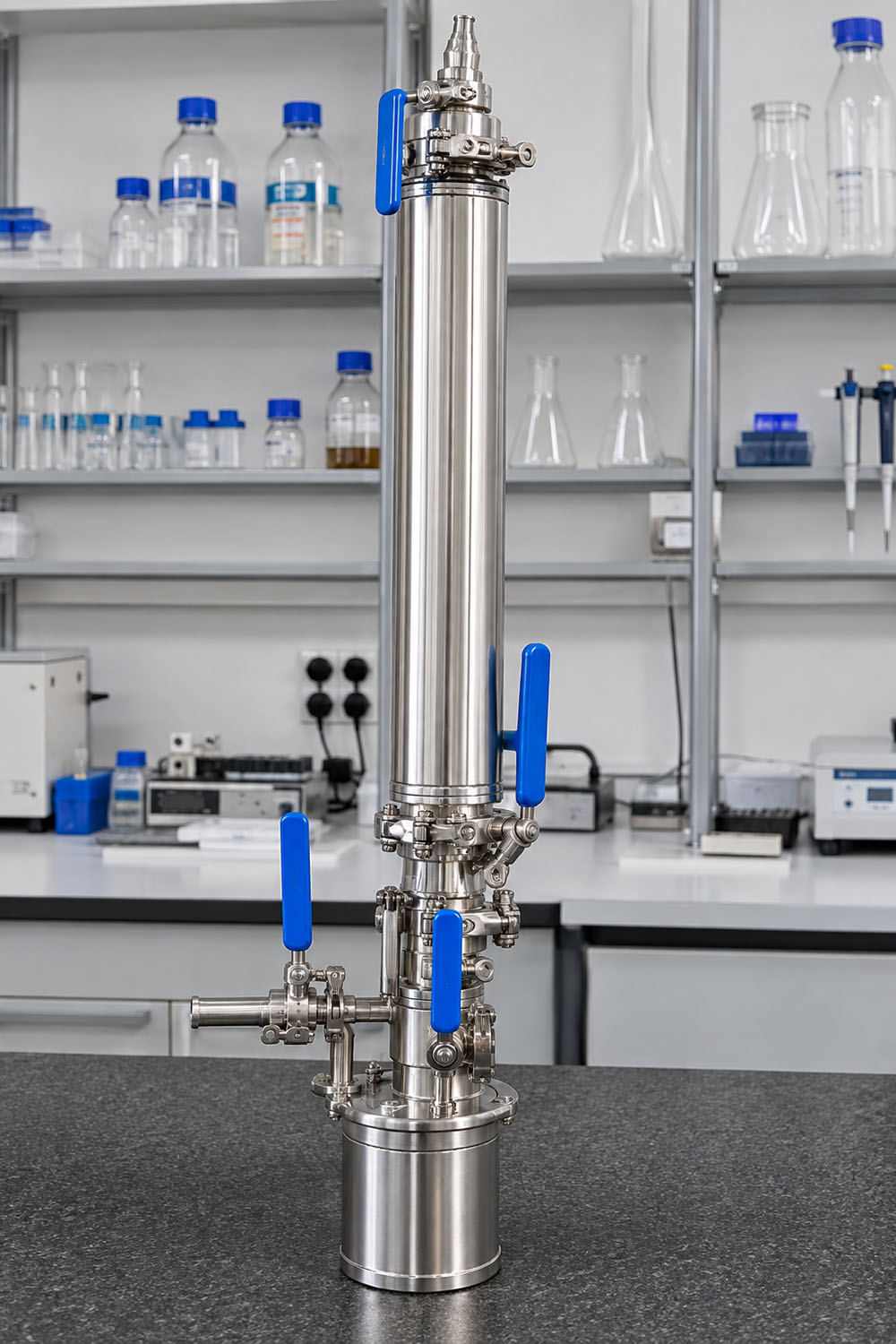
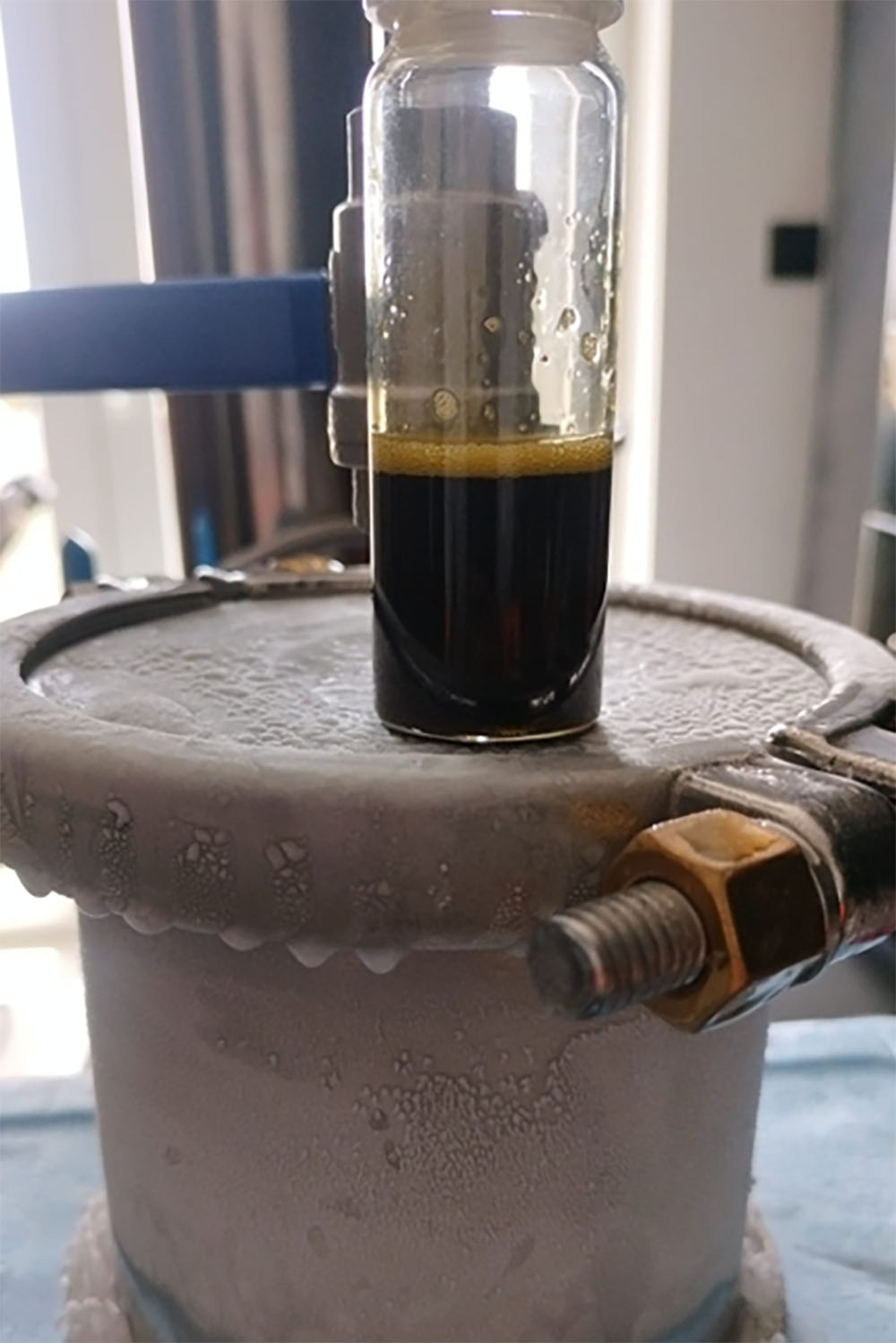
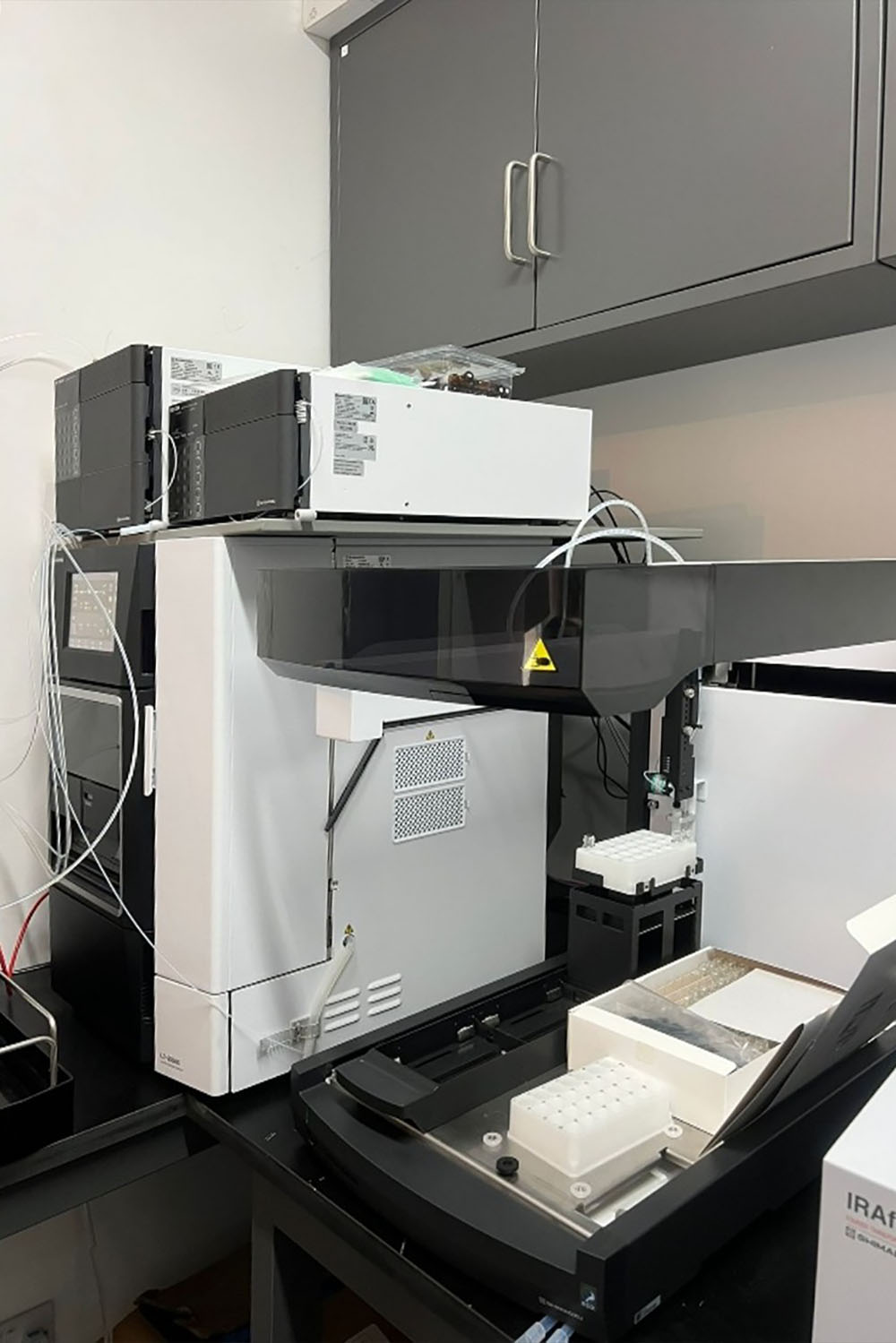
Green extraction and analytical technologies used in the SustainOlive project: closed-loop hydrocarbon extraction system (left), recovery of the lipophilic fraction from olive pomace (centre), and HPLC system used for chromatographic separation and characterisation of extracted compounds (right) (Photos courtesy of Dr Frederick Lia)
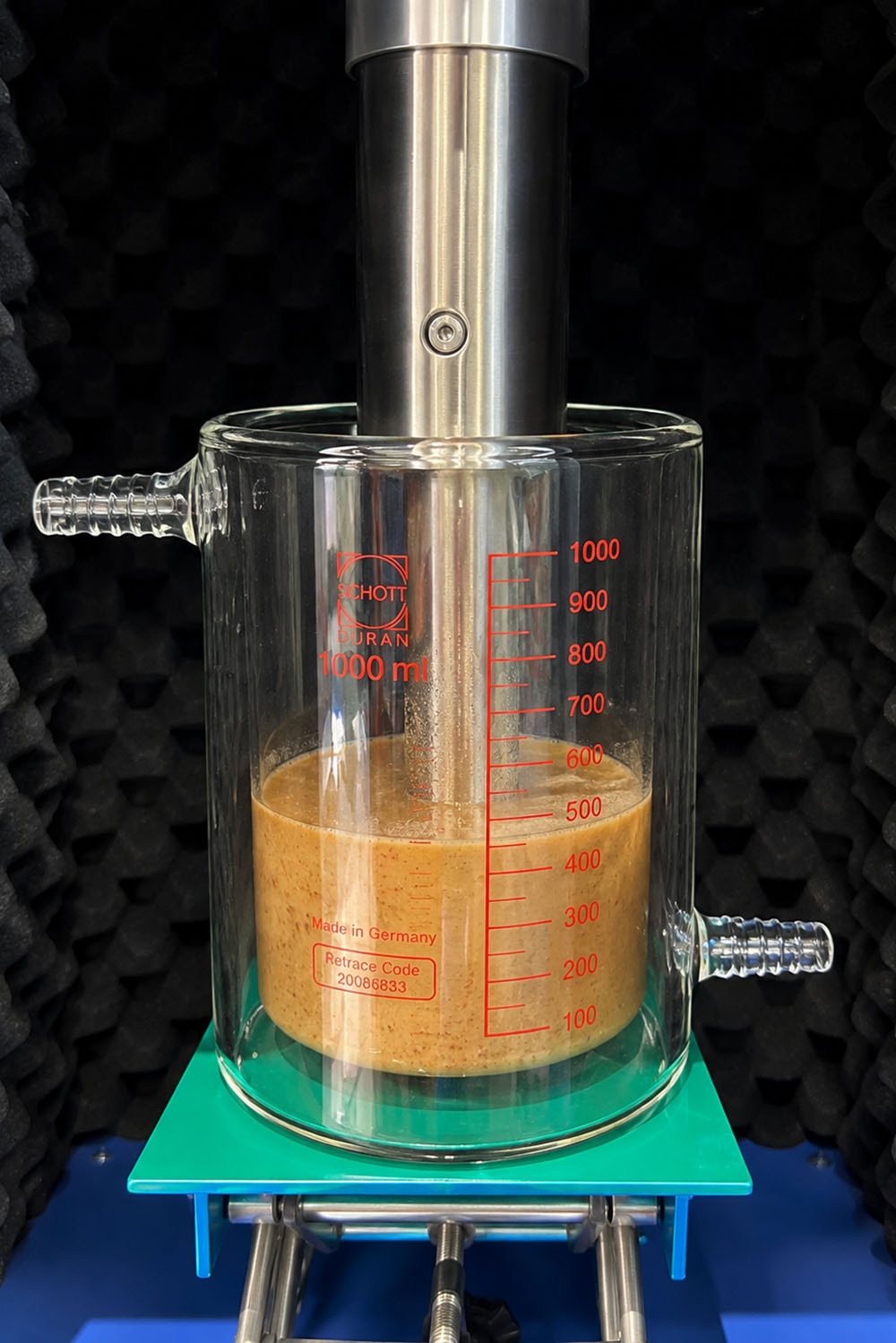
After recovering fat-soluble biomaterial, the remaining olive pomace is further investigated for its polar bioactive fraction using Deep Eutectic Solvents (DES) combined with ultrasound-assisted extraction. DES provide low-volatility, tunable extraction media and offer a promising alternative to conventional organic solvents. Different DES formulations are being investigated, together with the influence of water addition and ultrasonication on their suitability for extracting phenolic and antioxidant compounds from olive pomace.
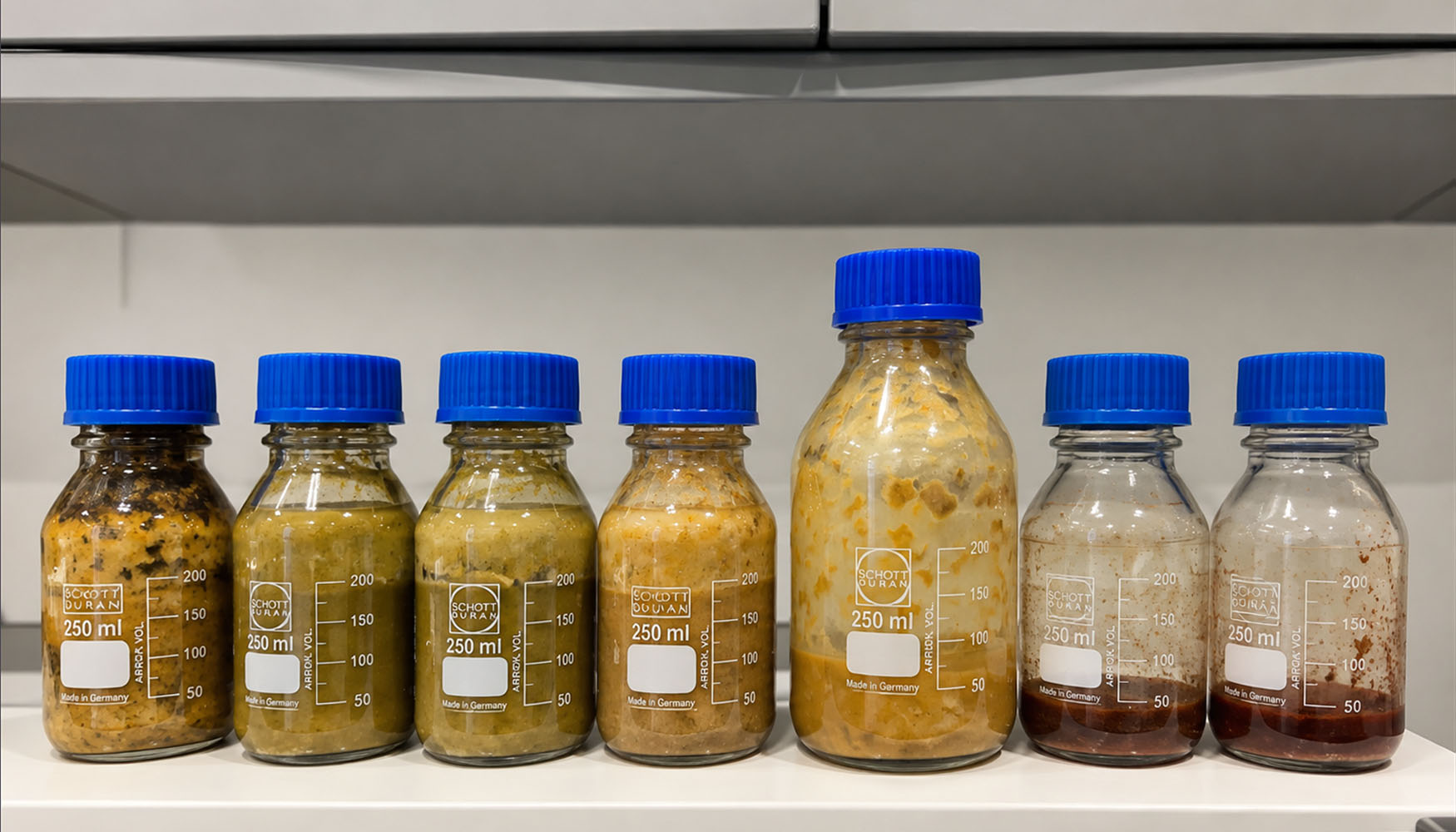
(Left) Different deep eutectic solvent (DES) mixtures prepared with olive mill waste
(Right) Ultrasound-assisted extraction of olive mill waste using a DES mixture
(Photos courtesy of Dr Frederick Lia)
One of the most promising applications of this research is developing natural potato sprout-control formulations. Potato sprouting during storage contributes to quality deterioration, weight loss and post-harvest waste. Bioactive olive-pomace extracts are therefore being incorporated into DES-based spray coatings containing Arabic gum to investigate their potential as more sustainable sprout-control systems. DES formulations are being evaluated both with and without olive-pomace extracts, allowing researchers to determine whether the olive-pomace extracts improve the effectiveness of the sprout-control treatment.
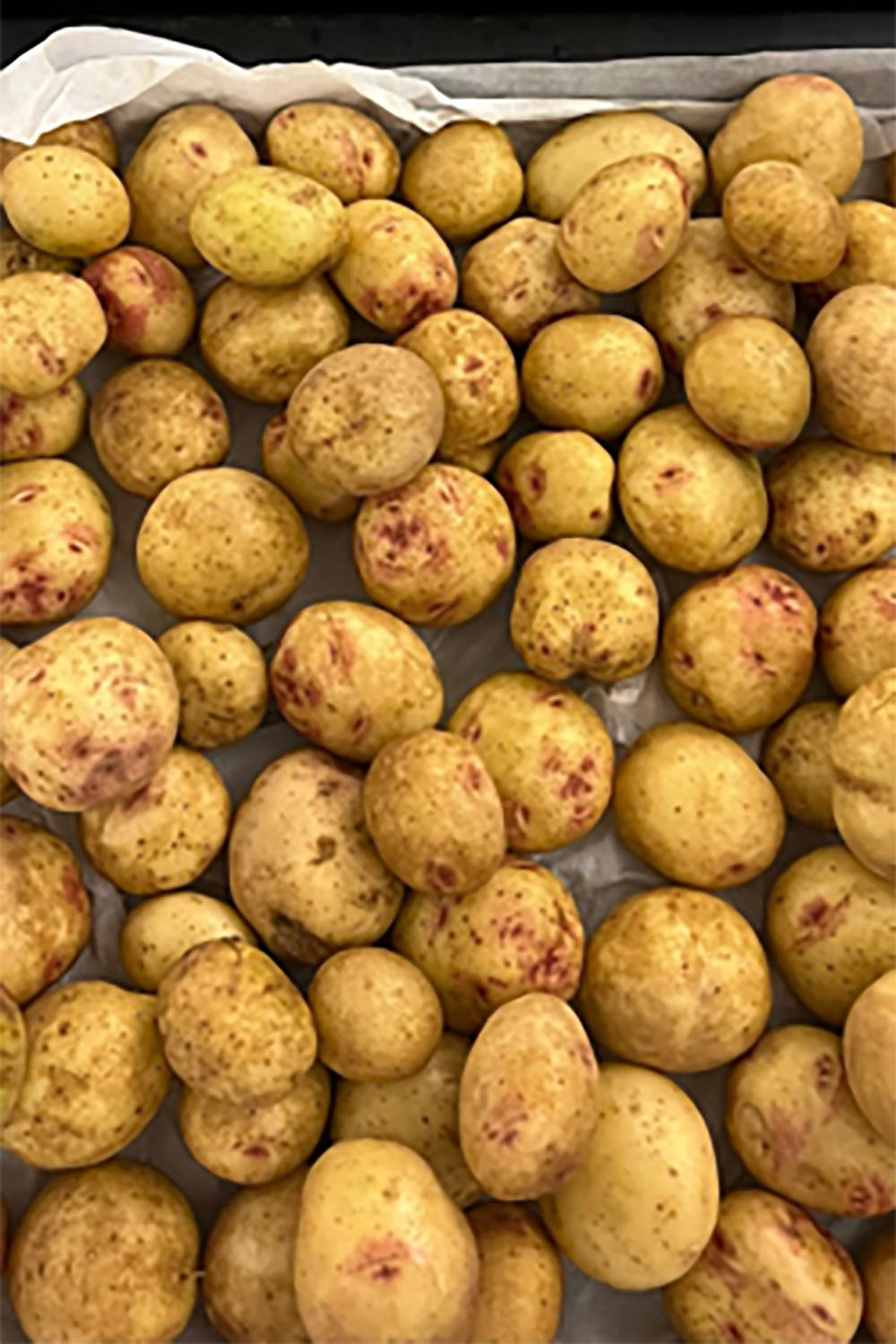
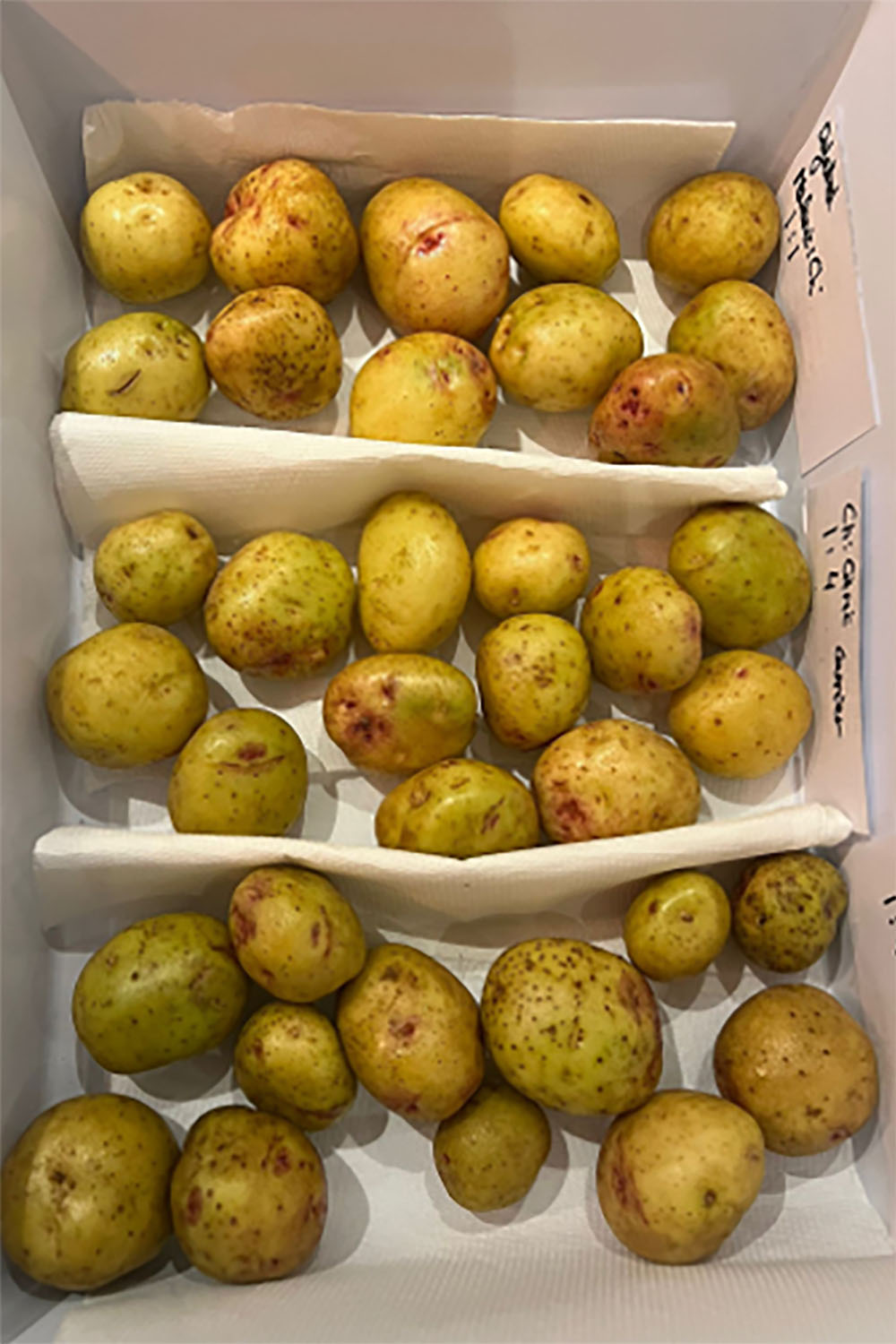
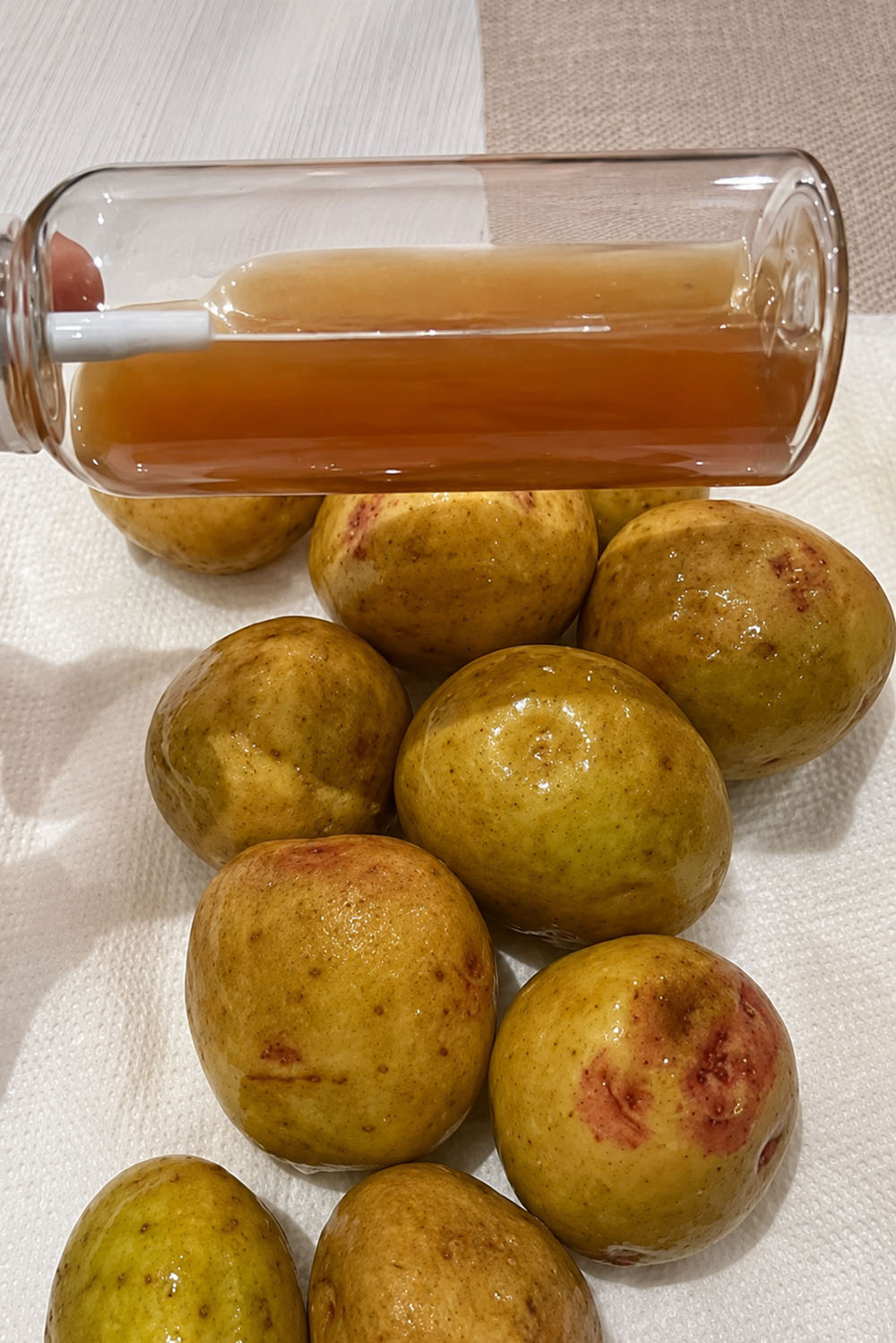
Stages of the potato anti-sprouting experiment: washing and preparation of potatoes prior to treatment (left), application of different DES–olive mill waste extract formulations (centre), and monitoring of treated potatoes during the storage period to assess sprouting and treatment effectiveness (right) (Photos courtesy of Dr Frederick Lia)
Beyond Bioactives: Unlocking the Full Potential of Olive Pomace
Importantly, the concept extends beyond recovering bioactive compounds. The Turkish research component at METU targets the remaining olive-pomace biomass as a source of alternative proteins. The extracted proteins will be broken down using enzymes into smaller components called bioactive peptides, which may have useful biological properties. These peptides will then be encapsulated to protect them and tested under simulated digestive conditions to understand how they behave during digestion and how much may become available for absorption. The remaining plant material, which is rich in structural components such as lignin, will also be explored for further uses, including conversion by microorganisms into potentially useful products.
Taken together, both the research at BKEA Ltd and METU create a cascade rather than a single-product approach to olive pomace utilisation: recovering valuable water-soluble and fat-soluble compounds, developing natural sprout-control formulations, producing alternative proteins and peptides, and exploring productive uses for the remaining biomass. Through this Malta–Türkiye collaboration, a material traditionally regarded as an environmental burden is instead being approached as a renewable source of multiple high-value products, demonstrating how green chemistry and food science can contribute to a more circular Mediterranean agro-food sector.
This research was funded by the project ‘A Complete Sustainable Route for the Utilization of Olive Pomace: Production of Bioactive Spurt Inhibitors and Alternative Proteins – SustainOlive’, financed by Xjenza Malta (XM) and the Scientific Technology Research Council (TÜBİTAK) through the Xjenza Malta-TÜBİTAK 2024 Joint Call for R&I Proposals. This initiative is part of the PRIMA Programme supported by the European Union.
Authors: Frederick Lia & Karen Attard.
Attachments: