-
 Welcome to plumtriA platform for Research & Innovation
 -
 Looking for Funding?Check out the current open calls
 -
 Register today to start receiving our monthly newsletter
 -
 Looking to partner up?Search our list of registered profiles
 -
 You have questions on a particular funding programme?

Project BeeSustain: Envisaging a Sustainable Future for Malta's Honey Bees
Image
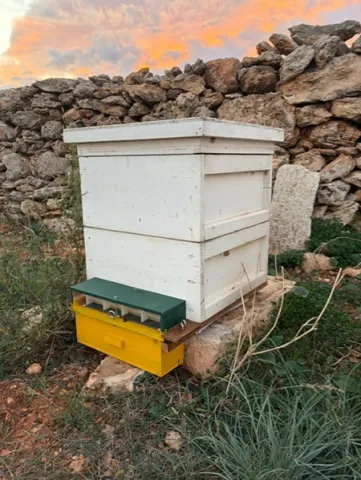
Honey bees, along with other pollinators (such as butterflies, solitary bees, etc.), are essential to our food supply; the great contribution they make to the pollination of flowering plants is vital for farming as most agricultural crops require this insect pollination to produce fruit. But, as climate change increases the frequency and intensity of droughts and heatwaves, the natural signs of Spring appear earlier in the year, further threatening the survival of honey bees and other pollinators. The BeeSustain project (Integrative Modelling for Enhanced Beekeeping Carrying Capacity), a collaborative research initiative led by the University of Malta's Biodiversity and Ecology Research Group (BERG), and is funded by the Xjenza Malta Research Excellence Programme (REP) 2024. The project aims to address these pressing concerns by testing new and innovative approaches to improve beekeeping sustainability and safeguard bee populations.
BeeSustain is developing a specialised system to improve the efficiency of beekeeping. This pioneering project combines several advanced techniques, including the first-ever identification of pollen in Malta using DNA analysis, honey bee gut microbiota analysis, drone imagery, and weather data. The project aims to identify the best hive locations and ideal environmental conditions for honey production. This will revolutionise traditional beekeeping practices and help safeguard bee populations under changing environmental conditions.
BeeSustain is aligned with wider efforts to conserve the Maltese honey bee, Apis mellifera ruttneri. Previous research by BERG demonstrated that the Maltese honey bee is better adapted to local conditions than imported breeds, such as Apis mellifera ligustica, showing higher survival rates and lower rates of infestation by Varroa, a parasitic mite that passes on diseases and causes the deaths of many honey bee colonies. BeeSustain is building on this biological insight with cutting-edge modelling to support local beekeepers, protect native bee populations, and sustainably boost the vital pollination services that bees provide.
The project's focus on climate-smart beekeeping aligns with national, European Union, and global priorities, supporting Malta's drive towards sustainable development and economic diversification. It contributes directly to the strategic aims of the National Strategy and Action Plan for Pollinators (2035) and the National Biodiversity Strategy and Action Plan to 2030.
An Innovative Approach to Apiculture
BeeSustain aims to tackle the significant impact on honey bee health and productivity from environmental challenges like climate change, habitat loss, and shrinking wildflower areas. The study is centred on an apiary in Manikata, where BeeSustain will apply novel approaches to achieve its goal:
Comprehensive Biological Analysis: The project will use DNA analysis of bee gut microbes, pollen, and plants to understand the specific flowers bees prefer in the Manikata area.
Applied Environmental Imaging: Using images from drones equipped with special sensors, the project will create a map of the area to identify the best hive locations. This will ensure each apiary's foraging area, with a radius of up to 4-5km, covers the maximum amount of natural habitat, which in turn maximizes honey production.
Real-Time and Future Climate Assessment: The project will combine data from a weather station installed near the hives with data on honey production to understand the ideal weather conditions for hive productivity. This will be combined with climate model data to project how weather conditions may change in the future.
Progress and Future Impact
Significant progress has been made in the early phases of the project, including the establishment of the test apiary and weather station. Every 15 days, specialized collection traps (known as pollen traps) are installed at the narrow entrances of the hives. These are designed to gently dislodge pollen from the bees as they enter, allowing the researchers to collect pollen without harming the bees. Protocols for the DNA analysis and for a Citizen Science campaign have been developed and initiated, and efforts are underway to recruit citizen scientists to gather data on flowering plants and bee activity. Biological sampling of pollen and flowering plants has also started to identify bee food sources and assess their health.
By the end of the project, BeeSustain aims to deliver a prototype decision-support tool to help beekeepers to choose the best sites for bee colonies, anticipate threats to their bees, and plan for healthier bees and higher productivity. The project is laying the groundwork for future real-time monitoring systems that will include data from sensors, drones, and microbial analysis to support the sustainability of beekeeping.
BeeSustain was recently featured at the University of Malta Research Expo 2025, showcasing its interdisciplinary approach to environmental modelling and beekeeping. This project works at the intersection of environmental science, apiculture, and technology, offering a scientifically grounded solution to improve beekeeping sustainability and protect vital pollination services.
For more information, visit the BERG website and Facebook page.
Information and image source:
Attachments: