-
 Welcome to plumtriA platform for Research & Innovation
 -
 Looking for Funding?Check out the current open calls
 -
 Register today to start receiving our monthly newsletter
 -
 Looking to partner up?Search our list of registered profiles
 -
 You have questions on a particular funding programme?

News
Uploaded On:
Dr. Frederick Lia and Karen Attard
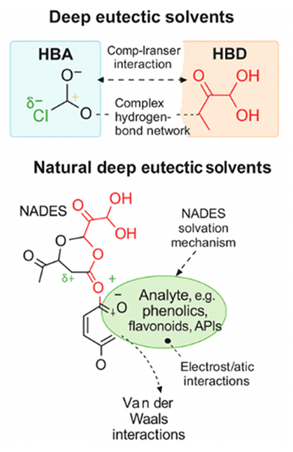
Deep eutectic solvents (DES) and natural DES (NADES) have emerged as sustainable alternatives to conventional organic solvents for the extraction of bioactive compounds from olive mill waste (OMW). These systems are formed through strong hydrogen-bond interactions between a hydrogen-bond acceptor (HBA) and donor (HBD), resulting in liquids with significantly reduced melting points and highly tunable physicochemical properties, including polarity, viscosity, and solvation capacity [1]. This tunability enables the design of task-specific solvents for selective extraction of phenolics, flavonoids, and other valuable compounds.
…
 Uploaded On:
The program aims to identify, develop, and implement innovative solutions supporting modern hospital management as well as improving the quality of healthcare delivery. This initiative serves as a collaborative platform connecting the medical, academic, and innovation sectors, enabling the development and implementation of solutions with international potential.
MCSC Hospital Leadership Innovation is an international competition organized by the Institute of Mother and Child, supported by a network of hospitals from across Poland. Its goal is to identify and support the development of breakthrough solutions that set new standards in healthcare and medical facility management.
MCSC creates a dynamic ecosystem of collaboration between hospitals, academia, and technology partners — enabling rapid testing, implementation, and scaling of modern solutions that meet the current needs of the healthcare system.
Detailed information regarding the…
 Uploaded On:
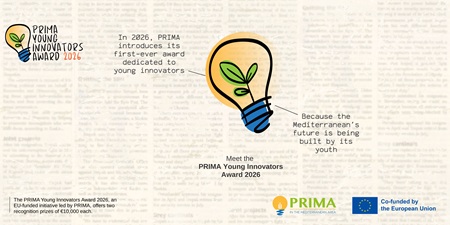
📣 PRIMA is proud to announce the launch of the PRIMA Young Innovators Award 2026, a new recognition prize celebrating the creativity, leadership, and determination of young innovators from Southern Mediterranean countries who are shaping a more sustainable future for the region.
🔑 Why this Award matters
The Mediterranean faces urgent challenges: water scarcity, climate stress, food insecurity, and ecosystem degradation. Young people across the region are already responding with innovative solutions, from water-saving technologies and resilient farming practices to community-driven initiatives that strengthen livelihoods and social inclusion.
The PRIMA Young Innovators Award recognizes these changemakers. It celebrates youth who have personally led or significantly contributed to solutions aligned with PRIMA’s mission, and it encourages the leadership, initiative, and problem-solving capacity needed to address the region’s…
 Uploaded On:
Montalto, M., Bonnici West, L., Scerri, D., Gatt, A., Deguara, D., Debono, D., Galea Vella, M., Theuma, L., Delicata, F. and Gauci, S.A.
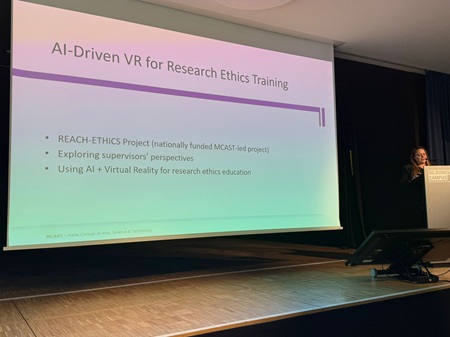
🛞 The REACH-ETHICS project, led by the Malta College of Arts, Science and Technology (MCAST), introduces an innovative approach to research ethics education through the integration of artificial intelligence (AI) and virtual reality (VR). The project aims to transform how students and researchers engage with ethical principles by moving beyond traditional, theory-heavy instruction toward immersive, scenario-based learning. The system employs AI-powered “expert” avatars within virtual environments to simulate real-life ethical dilemmas in healthcare and animal research contexts. Through interactive dialogue, users can explore key issues such as informed consent, confidentiality, and participant welfare in a more applied and reflective manner. This approach fosters active engagement,…
 Uploaded On:
Dr. Frederick Lia and Karen Attard
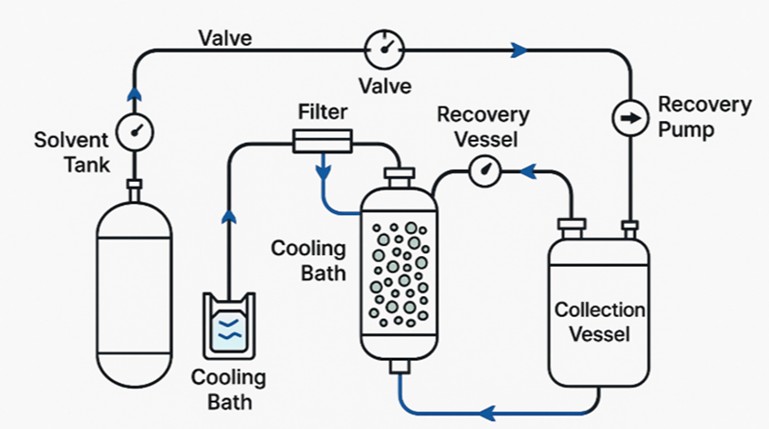
Closed-loop hydrocarbon extraction is an efficient and selective technique for recovering non-polar compounds from complex matrices, with growing relevance in olive mill waste (OMW) valorisation. Hydrocarbons, composed solely of carbon and hydrogen, range from simple alkanes to complex aromatic structures and are widely used in industrial applications due to their chemical stability [1].
Traditional separation methods such as cryogenic distillation and open solvent extraction suffer from high energy demand, solvent loss, and environmental impact [2]. Closed-loop systems overcome these limitations by operating under sealed, pressurised conditions that enable full solvent recovery. Liquefied hydrocarbons such as n-butane and n-propane selectively dissolve lipophilic compounds, while continuous recirculation enhances mass transfer and reduces emissions,…
 Uploaded On:
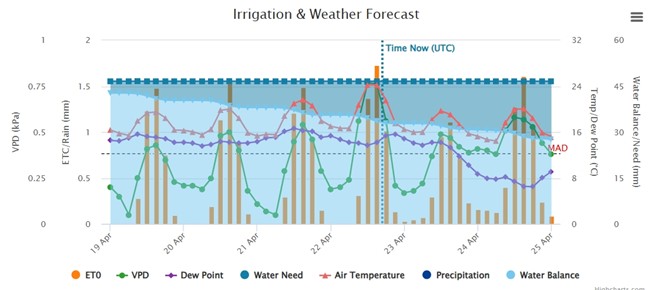
Building on its digital infrastructure, the second phase of the SOLEATECH project—developed in collaboration with Bahçeşehir University (Türkiye) and funded under the bilateral call PRIMA Xjenza Malta–TÜBİTAK 2023—focuses on transforming raw data into actionable insights through Artificial Intelligence. By integrating advanced analytics into a Decision Support System, the project empowers farmers to make precise, timely decisions.
Two core AI models drive this innovation. A Long Short-Term Memory (LSTM) model forecasts soil water potential, enabling proactive irrigation planning. In parallel, an Artificial Neural Network (ANN) evaluates environmental variables to predict olive quality, categorizing outputs into four performance levels. To enhance accuracy and scalability, techniques such as Principal Component Analysis reduce data complexity while maintaining predictive power.
…
 Uploaded On:
TRANSCAN-4 pre‑announces the First Joint Transnational Call (JTC 2026) on the topic of:
"Translational Research on Cancer Metabolism: Multidisciplinary Approaches for Diagnosis and Treatment"
TRANSCAN-4, in continuity of the preceding ERA-NET TRANSCAN-3, has the goal of coordinating national and regional funding programmes for research in the area of translational cancer research. The specific challenge is to promote a transnational collaborative approach between scientific teams in demanding areas of translational cancer research to ensure a more efficient use of available resources (e.g. data, infrastructures) and ultimately to produce results of higher quality and impact.
🧮The TRANSCAN-4 JTC-2026 will be implemented through a two-stage submission procedure: pre-proposals and full proposals.
📢The call is…
 Uploaded On:
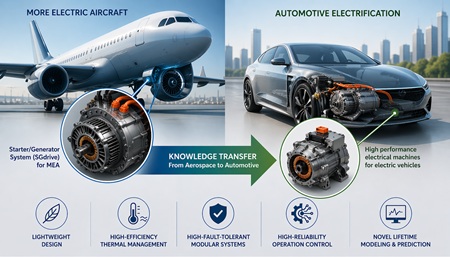
In January 2024, the Department of Electrical Engineering of the University of Malta, started work on the project SGdrive, funded by Xjenza Malta. The project’s full title is High Reliability and High Power Density Starter/Generator System for MEA (SGdrive) and is headed by Prof Inġ Michael Galea. The project aimed to address technical challenges in designing starter-generator systems for More Electric Aircraft (MEA). Key technical achievements include lightweight design, high-efficiency thermal management, modular high-fault-tolerant systems, and high-reliability operation control strategies. The University of Malta's focus lies in novel lifetime modeling and prediction techniques, contributing to advancements in aviation electrification technologies.
Beyond its technical achievements, the SGdrive project has also delivered an important and perhaps less visible impact: the transfer of knowledge across industries. Although the project focused on electrical machine design for…
 Uploaded On:
For centuries, olive cultivation has been rooted in tradition. Today, however, climate change is disrupting this balance, with heatwaves and water scarcity threatening both yield and quality. In response, the SOLEATECH project - developed by WES TRADE LTD (Malta) and Bahçeşehir University (Türkiye) under the bilateral call PRIMA Xjenza Malta- TÜBİTAK 2023 - is introducing a new paradigm: data-driven olive farming.
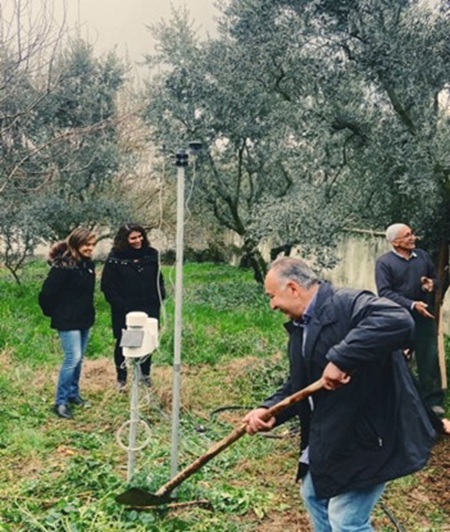
The first phase of the project focused on establishing a “Digital Twin” of olive orchards through the deployment of advanced IoT infrastructure. Using the IRRIGOPTIMAL platform, solar-powered Smart Nodes equipped with soil moisture, nutrient, and weather sensors were installed across pilot sites in Malta and Türkiye. This system enabled continuous, real-time monitoring of hyper-local environmental conditions.
A key scientific breakthrough emerged from this phase: the identification of the “Microclimate Gap.” Data analysis showed that regional weather models…
 Uploaded On:
The Clean Energy Transition Partnership (CETPartnership) is announcing its fifth annual call, Joint Call 2026. The call is launched in collaboration with funding organisations and programme owners across Europe and beyond. The annual calls align national and regional funding programmes and enable transnational collaboration across the energy value chain.
The CETPartnership is an RDI programme that supports the transition towards a climate-neutral and sustainable European energy system.
General information about the application process
The Joint Call 2026 is structured into 11 Call Modules. These modules cover …
 Uploaded On:
The report “Gaps and uncertainties in aviation non-CO₂ effects on climate” sums up the current state of scientific understanding and highlights priority areas where further research is needed.
The impact of aviation on climate goes beyond carbon dioxide (CO₂) emissions, including non-CO₂ factors such as nitrogen oxides (NOX), sulphur oxides (SOX), water vapour, particulates, and the formation of contrails and cirrus clouds.
Developed by the Aviation Non-CO ₂ Expert Network (ANCEN), coordinated by the EASA - European Union Aviation Safety Agency and supported under Horizon Europe, the report identifies priority areas for further research.
Read the report link.europa.eu/vJgRgv
Information and image source:
 Uploaded On:
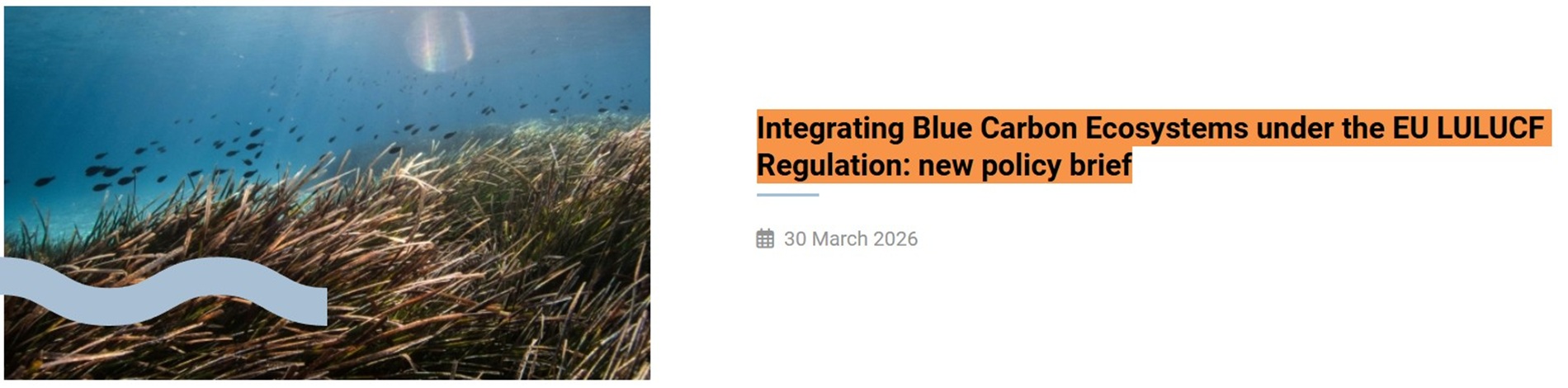
The JPI Oceans Blue Carbon Knowledge Hub is pleased to announce the publication of its second policy brief: ‘Pathways and opportunities for a better policy integration of Blue Carbon Ecosystems under the EU LULUCF Regulation’. This Knowledge Hub is led by Ireland with participation from Germany, Greece, Malta, Norway, Portugal and the United Kingdom.
The brief was developed by the Knowledge Hub’s Policy Working Group with the support of the Norwegian Environment Agency, and it provides targeted recommendations for a better policy integration of blue carbon ecosystems under the EU Land Use and Land Cover Change Framework (LULUCF) Regulation. These blue carbon ecosystems, primarily seagrass meadows, salt marshes and mangrove forests, are classified as ‘coastal wetlands’ in the Supplement to the 2006 IPCC Guidelines for National Greenhouse…
 Uploaded On:
The Offshore Clean Hydrogen Production for Multi‑use Purposes project (OCEAN‑H2), developed within the framework of the Sustainable Blue Economy Partnership led by the Department of Electrical Engineering at the University of Malta with the cooperation of UNINA, RISE, Fraunhofer ISIT, and UTBM, has received official recognition as a Decade Action under the UN Decade of Ocean Science for Sustainable Development 2021–2030.
The endorsement granted by the Ocean Decade marks an important milestone for the consortium and confirms the scientific, technological and strategic relevance of the activities carried out within the project, highlighting the project’s contribution to advancing cutting‑edge research and strengthening collaboration among academic…
 Uploaded On:
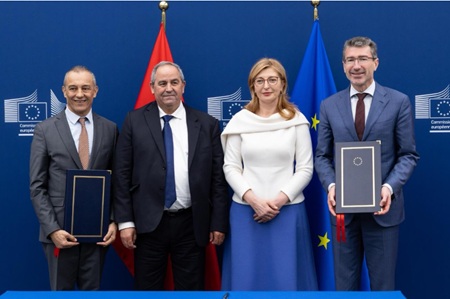
The European Union and the Kingdom of Morocco have signed an agreement extending Morocco’s participation in PRIMA, the Partnership for Research and Innovation in the Mediterranean Area, for the 2025–2027 phase, with Morocco contributing €6.6 million over this period.
Ekaterina Zaharieva, European Commissioner for Startups, Research, and Innovation, said:
“Morocco has been a committed and active partner in PRIMA from the very beginning, with its researchers playing a key role across projects in the Mediterranean. With this agreement, we will step up our cooperation to tackle shared challenges from water and agriculture to food systems and climate resilience.”
The agreement was signed by Ambassador Extraordinary and Plenipotentiary of the Kingdom of Morocco to the European Union Mr Ahmed Réda Chami and by Director-…
 Uploaded On:
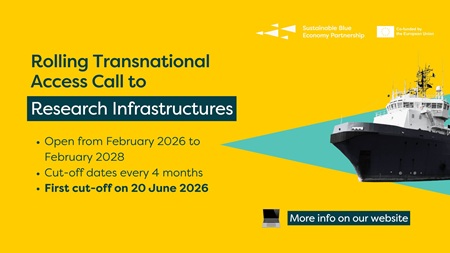
The Sustainable Blue Economy Partnership's rolling Transnational Access Call to Research Infrastructures (2026–2028) is open, offering project teams the opportunity to use a wide range of marine and maritime research infrastructures across Europe.
📅 First cut‑off date: 20 June 2026, 11:00 CEST
📄 Any questions? Check the FAQs and minutes from the information webinar via the call page: https://lnkd.in/eW4j6Srt
All the information that you need, including requirements and the infrastructure catalogue, is available on the same link.
Information and image source:
 Uploaded On:
Dear THCS Partners,
We are pleased to announce the launch of the THCS WP9 Podcast – Ecosystems in Health & Care.
📅The first episode is now available on all major platforms (see links below), with subsequent episodes to be released every two weeks, on Tuesdays at 12:00.
About the podcast: The THCS Podcast explores the future of health and care in Europe through the voices of those actively contributing to its transformation. The series brings together real-world ecosystems and experts who are working to break silos, build trust, and support systemic change — one aligned action at a time.
Purpose of the initiative: This podcast aims to make the work of the THCS Partnership more tangible by showcasing practical experiences, lessons learned, and transferable approaches. It…
Uploaded On:
The LSDi (Liquid State Dual fuel injection) project research team visited the Multigas plant in Hal Kirkop. The research team found the visit of great relevance given the use of cryogenics in the LSDi project and Multigas’s extensive history and expertise in the field of cryogenic operation.
Multigas serves customers in the industrial and healthcare sectors with a complete range of atmospheric and special gases, complemented with related equipment and services. In the healthcare sector, Multigas produces, imports and dispenses medicinal gases through its licensed dispensary. It produces medicinal oxygen, GMP nitrogen and medical grade air. In the industrial gases, Multigas supplies gases for metal fabrication, pharmaceutical, automotive and electronic industry. It also supplies nitrogen gas directly to ST Microelectronics.
The researchers of Project LSDi would like to express their appreciation to Multigas for hosting this informative visit mainly focused on cryogenic…
 Uploaded On:
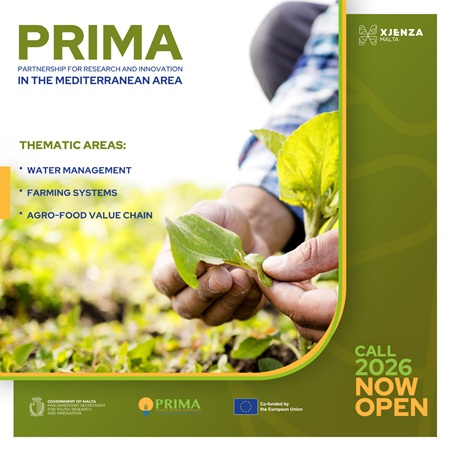
Xjenza Malta is pleased to announce the launch of the PRIMA Section 2 Call 2026—an exciting funding opportunity for Malta-based researchers and innovators to participate in transnational research projects focusing on Water Management, Farming Systems, and Agro-Food Chain.
With a national budget allocation of up to €500,000, this call enables Malta-based entities to collaborate with international partners in tackling key challenges related to the Water-Energy-Food-Ecosystems (WEFE) Nexus.
Unlocking New Opportunities
The PRIMA Section 2 Call 2026 offers eligible applicants the chance to:
Participate in transnational projects by leveraging funding and support to develop pioneering solutions in sustainable water, farming, and agro-food systems.
Address critical challenges within…
 Uploaded On:
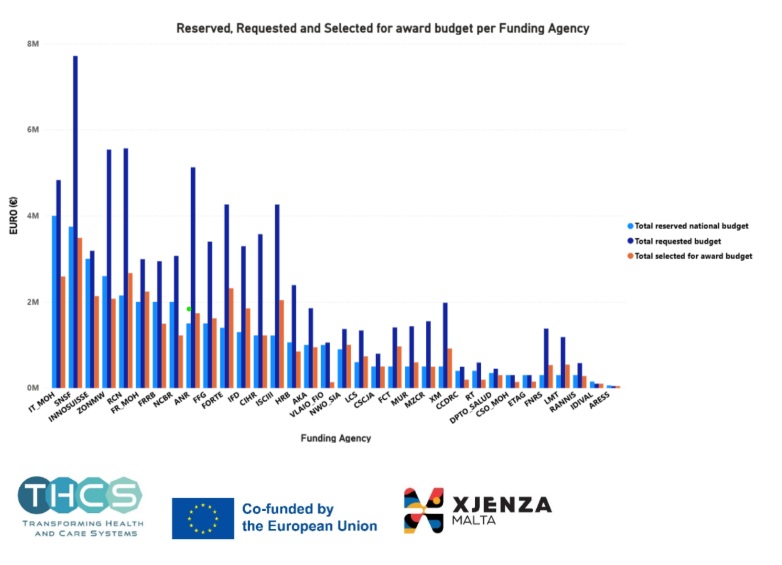
In November 2024, the THCS Partnership, co-funded by the European Commission (EC), launched its third Joint Transnational Call (JTC) to support Research and Innovation (R&I) proposals titled “Better care closer to home: Enhancing primary and community care”. This Call brought together 34 Funding Agencies from 22 countries, committing an initial budget of approximately €36 million.
From 149 eligible pre-proposals were submitted requesting €183 million. Following evaluation and a Peer Review Panel (PRP) meeting, 63 were invited to full proposal stage, where the widening initiative allowed invited consortia (under 9 partners) to add one partner from underrepresented Funding Agencies. Finally, 60 full proposals were submitted, from which, after evaluation and PRP meeting, 29 outstanding projects were selected for funding, with a 19.5% success rate and €31.8 million allocated funds (generating €6.9 million EC top-up).
…
 Uploaded On:
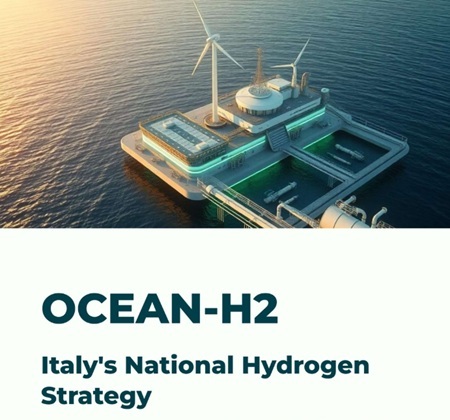
In the context of the European energy transition, hydrogen represents one of the most relevant pillars for the decarbonization of hard‑to‑abate industrial sectors, heavy mobility and large integrated energy systems.
Within the Ocean‑H2 project, an in‑depth analysis of national and European policies will be carried out, with the aim of clarifying objectives, technical constraints, operational solutions and implementation timelines, in order to obtain useful insights for energy planning, research, port logistics, industrial production and the development of H₂‑ready infrastructures.
To support the dissemination and understanding of the Italian National Hydrogen Strategy, the main contents have been transformed into a set of concise infographics designed to facilitate consultation and support decision‑making processes and project activities.
Relevance for Ocean‑H2
👉 Hydrogen is a key vector for the decarbonization of maritime and port systems.
👉 Import…