-
 Welcome to plumtriA platform for Research & Innovation
 -
 Looking for Funding?Check out the current open calls
 -
 Register today to start receiving our monthly newsletter
 -
 Looking to partner up?Search our list of registered profiles
 -
 You have questions on a particular funding programme?

News
Uploaded On:
🔎 Xjenza Malta is inviting qualified experts to express their interest in joining the International Evaluation Committee (IEC) for the 4th SBEP Joint Transnational Co-funded Call 2026.
Selected experts will play an important role in the independent scientific evaluation of research and innovation project proposals, contributing to the assessment and selection process.
We are seeking experts in the following areas:
🔹 Sustainable blue economy sectors
🔹 Digital and ecosystem-based management of sea uses
🔹 Sustainable blue bioresources
🔹 Resilient coastal communities, infrastructure and businesses
⚠️ Important: Selected evaluators cannot participate as applicants or project team members in the same SBEP call.
📅 Deadline: 30 October 2026
📩 How to apply: Send your Expression of Interest via email to eusubmissions.xjenzamalta@gov.mt, copying luca.halasz@gov.mt…
 Uploaded On:
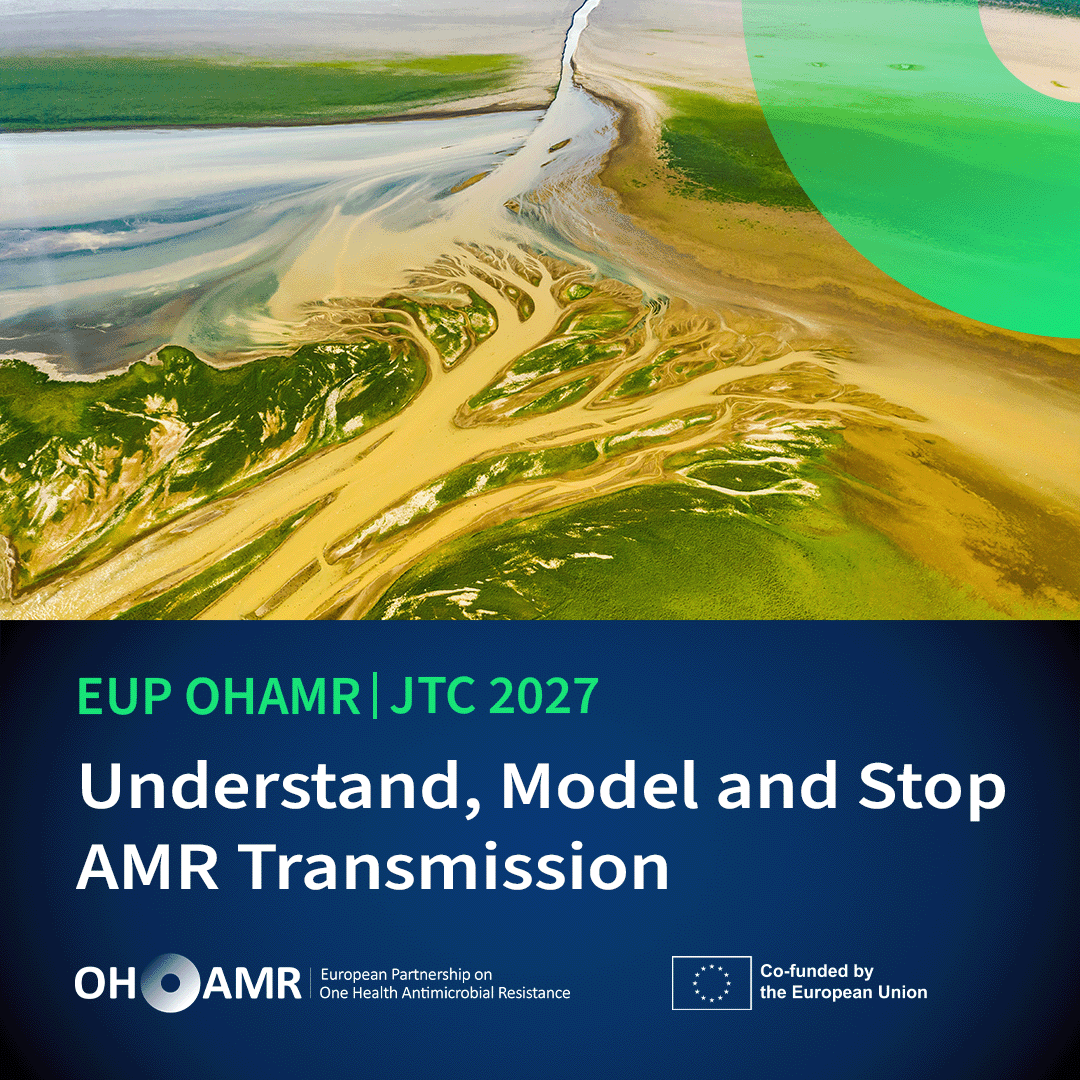
With an estimated total budget of €28 million, the EUP OHAMR Joint Transnational Call 2027 will bring together 33 funding organisations from 26 countries to support international research collaborations aimed at improving our understanding of antimicrobial resistance (AMR) transmission and developing effective strategies to prevent its emergence and spread across the One Health spectrum.
The European Partnership on One Health Antimicrobial Resistance (EUP OHAMR) is pleased to pre-announce the Joint Transnational Call (JTC) 2027 – Understand, Model and Stop AMR Transmission, which will open on 18 November 2026. The call is co-funded by the European Union.
The call will focus on preventing the emergence and spread of antimicrobial resistance, one of the most pressing global health challenges affecting humans, animals and the environment. Although significant efforts have been made and new…
Uploaded On:
Only a fraction of a pressed olive’s nutrients reaches your bottle of oil, leaving behind a goldmine of unused compounds and proteins. Through SustainOlive, researchers at BKEA Ltd and Türkiye’s METU are transforming this neglected agricultural byproduct into eco-friendly food products and biomaterials, keeping this resource out of our waste systems.
Olive oil is inseparable from Mediterranean agriculture, cuisine and culture. Yet behind every bottle of olive oil lies a considerable quantity of residual biomass. Olive pomace, consisting largely of olive skin, pulp, seeds, water and residual oil, contains lipids, phenolic compounds, proteins and lignocellulosic material. Rather than regarding this material simply as waste, the SustainOlive project is investigating how it can become a valuable raw material for new agricultural and food-related products.
…
 Uploaded On:
Xjenza Malta is pleased to launch “Mapping Malta’s Research and Innovation Collaboration Network: A Social Network Analysis of Horizon 2020 and Horizon Europe Participation, 2014–2025.”
The report provides a data-driven overview of how Maltese entities are positioned within European research and innovation networks. It examines Malta’s collaboration patterns, key participating organizations, recurring international partners, thematic areas of participation, and the types of project consortia in which Maltese organizations are involved.
The analysis shows that, despite the relatively small scale of Malta’s R&I ecosystem, Maltese entities have maintained active participation across Horizon 2020 and Horizon Europe, generating approximately €94.1 million in Net EU Contribution between 2014 and 2025. It also highlights the importance of strong international partnerships and the role of…
 Uploaded On:
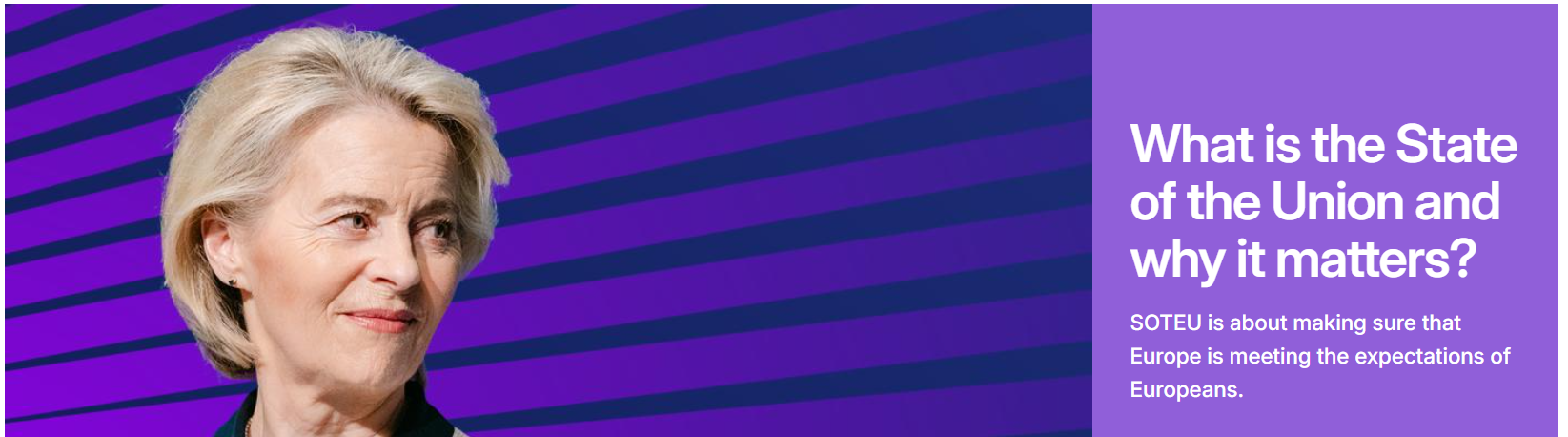
On 16 September 2026, Commission President Ursula von der Leyen will deliver her annual State of the Union address to the European Parliament.
The State of the Union is an important moment in the EU’s democratic calendar. It is an opportunity to reflect on the past year, outline the European Union’s priorities for the year ahead and announce new initiatives. The address is followed by a debate with Members of the European Parliament, reinforcing democratic accountability.
This year's address will take place on Wednesday, 16 September, from 09:00 to 11:50 CEST at the European Parliament in Strasbourg and will be livestreamed online.
In her address, President von der Leyen will share her vision and present major initiatives for the year ahead, building on the EU's achievements so far. We encourage you to follow the address and stay informed about the priorities and initiatives that will shape the EU's agenda in the coming…
 Uploaded On:
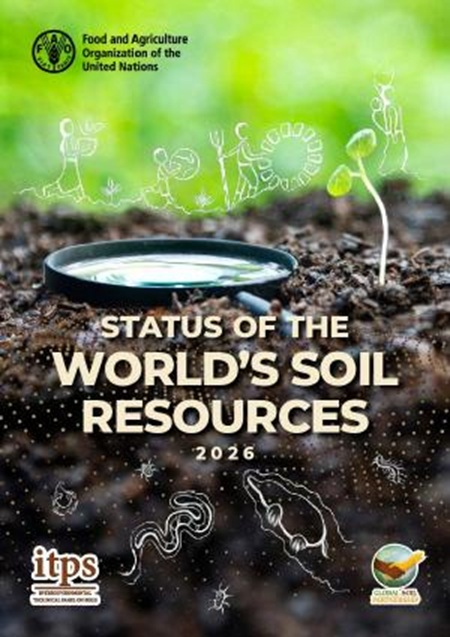
Soils are a unique resource providing a wide range of services for ecosystem functioning and human well-being. Despite more than a hundred years of soil science history, we still do not fully understand the dynamics and status of the world's soils, and efforts to protect, conserve and sustainably manage this valuable resource have always been limited by knowledge.In an effort to improve understanding of the status of this resource and to identify threats and activities leading to its degradation, the Intergovernmental Technical Panel of Soils (ITPS) supported by the Food and Agriculture Organization of the United Nations and its Global Soil Partnership (GSP) embarked in 2014 on the preparation of a global assessment to enable countries to better understand what actions should be taken to promote sustainable soil management. The Report on the Status of the World Soil Resources (SWSR) 2015 is a reference work and a milestone among the documents assessing…
 Uploaded On:
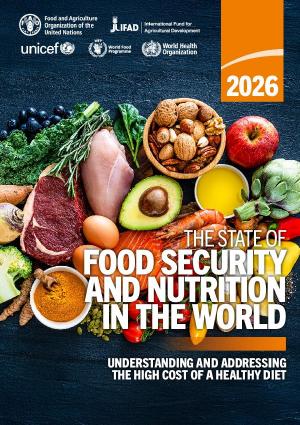
Despite sustained, gradual improvement in recent years, global hunger and food insecurity remain far above the targets set by the 2030 Agenda for Sustainable Development. It is estimated that 645 million people faced hunger in 2025. Beyond ensuring access to sufficient dietary energy, populations must have economic access to safe, diverse and nutritious foods. Yet, healthy diets are unaffordable for about 2.7 billion people worldwide, with the crisis deepening particularly in Africa. The 2026 edition of The State of Food Security and Nutrition in the World evaluates this pressing challenge, exploring the structural drivers behind the persistently high cost of a healthy diet. This report reveals that the high prices of nutrient-dense items – specifically animal source foods, fruits and vegetables – account for nearly 70 percent of the cost of a healthy diet. By leveraging existing data and analytical tools, it examines how geographical disparities,…
 Uploaded On:
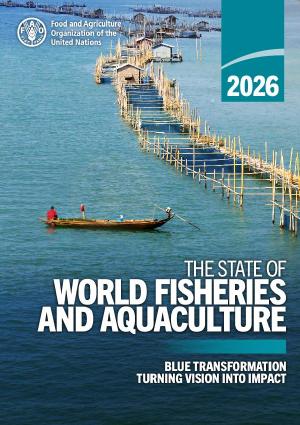
The State of World Fisheries and Aquaculture 2026 provides the latest evidence-based information and insights on challenges, opportunities and solutions shaping the present and future of the sector.
This 2026 edition showcases how FAO is translating the Blue Transformation vision into impact, deploying field projects in close collaboration with Members, partners and key stakeholders. It highlights efforts to maximize the contribution of aquatic foods to global food security, poverty alleviation and economic development, enhancing policy advocacy, advancing scientific research and innovations, and furthering capacity development.
Part 1 presents an up-to-date global review of fisheries and aquaculture production, employment, utilization and trade, benefiting from significant improvements in data collection and in analytical and assessment tools and methodologies.
…
 Uploaded On:
Extreme heat is emerging as one of the most urgent and least understood threats to agriculture and food security. Rising temperatures, prolonged heatwaves, and shifting climate patterns are already disrupting crop yields, livestock health, water availability, and rural livelihoods – with impacts falling disproportionately on the most vulnerable.Because extreme heat is predictable, strengthening climate services and early warning systems linked to anticipatory actions is a key opportunity. It is also clear that there are profound limits to what adaptation can achieve. With global mean temperatures on the cusp of exceeding the 1.5 °C warming limit outlined in the Paris Agreement, the urgency for adaptation and mitigation action only grows. The only durable solution to protect the future of global agrifood systems from the escalating threat of extreme heat lies in ambitious, multilateral climate change mitigation.
…
 Uploaded On:
Xjenza Malta, in collaboration with TradeMalta, is pleased to launch an Expression of Interest (EOI) for Malta-based undertakings interested in participating as exhibitors within the Maltese contingent at Space Tech Expo Europe 2026, taking place in Bremen, Germany, from 17–19 November 2026.
Selected stakeholders will have the opportunity to participate as part of the Xjenza Malta stand, showcasing their products, services, technologies and capabilities to an international space-industry audience, while benefiting from networking, business development and internationalisation opportunities, including the development of commercial and technology partnerships and access to international markets and value chains.
The initiative is being coordinated with TradeMalta, and selected eligible undertakings may…
 Uploaded On:
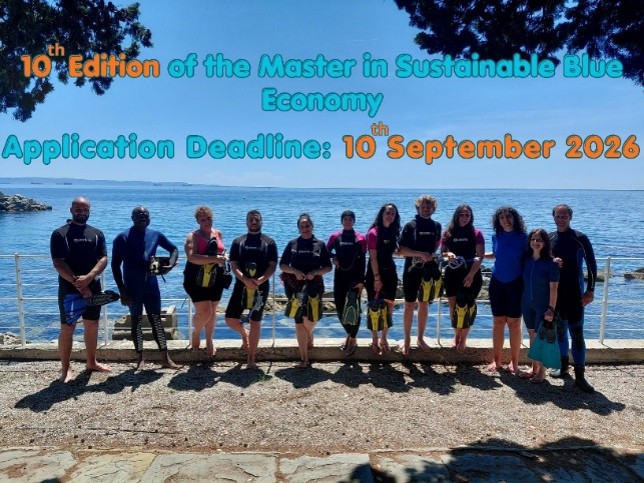
Xjenza Malta is pleased to announce that applications are now open for the 10th edition of the Advanced Master in Sustainable Blue Economy (Academic Year 2026/2027).
This initiative is jointly organised by the National Institute of Oceanography and Applied Geophysics (OGS) and the University of Trieste.
The programme is intended for eligible students, early-career researchers and professionals interested in the sustainable blue economy, marine science, maritime sectors and other ocean-related fields. Participants will develop specialised knowledge and skills in areas including marine and ocean sciences, climate and coastal management, environmental economics, blue-economy policy, financing and project management, and science diplomacy. The programme also addresses transboundary and multidisciplinary challenges while supporting the development of professional and research skills.
…
Uploaded On:
Cancer treatment is rapidly evolving through the adoption of innovative technologies. While surgical resection has traditionally been the standard treatment for solid tumours, interventional oncology is increasingly emerging as an effective minimally invasive alternative. Among these techniques, microwave ablation has demonstrated outcomes comparable to conventional surgery while offering the benefits of a less invasive procedure.
The ABLAZE project exemplifies the impact of international collaboration in advancing next-generation cancer therapies. Funded through a joint initiative between Xjenza Malta and TÜBİTAK, the project brings together researchers from Malta and Türkiye to address one of the key challenges in microwave ablation. This minimally invasive treatment destroys cancerous tissue by delivering microwave energy directly to the tumour. However, achieving precise and effective energy…
 Uploaded On:
Xjenza Malta, as a partner of the Sustainable Blue Economy Partnership (SBEP), invites researchers, policymakers, industry representatives and other stakeholders to contribute to the update of the Partnership’s Strategic Research and Innovation Agenda (SRIA).
Focusing on impact-driven maritime research and innovation (R&I), the Partnership harmonises sustainable blue economy priorities and delivers impactful green and digital solutions towards joint objectives.
…
Uploaded On:
Researchers in Malta and Turkey are studying a large international peanut collection to support future breeding of nutritious, high-yielding varieties.
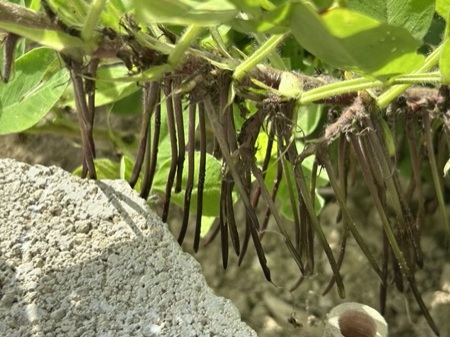
Photo credits: ASMINUT project-team
Exploring peanut diversity
Peanuts provide protein, healthy oils, minerals and antioxidant compounds. Yet varieties differ in their nutritional value, yield and adaptation to local conditions. ASMINUT explores this natural diversity to support future breeding of nutritious, productive peanuts suited to Mediterranean agriculture.
The project studies 523 traditional peanut varieties, or landraces, from 60 countries, together with six commercial Turkish varieties. Field trials in Malta and Adana…
 Uploaded On:
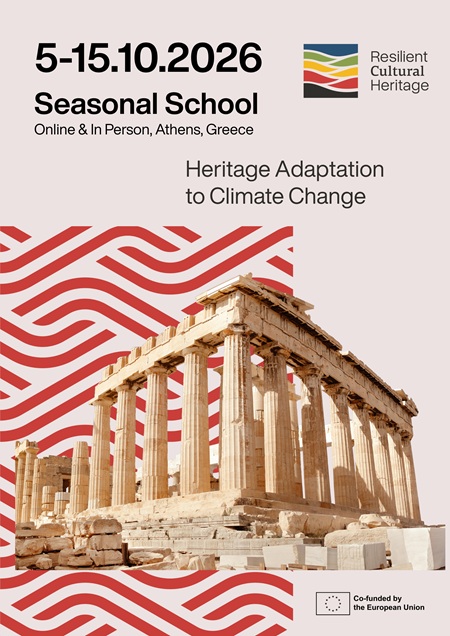
Climate change is transforming the way we care for cultural heritage. Are you ready to help shape the response? Xjenza Malta is a proud member of the European Partnership for Resilient Cultural Heritage.
We are excited to announce that applications are now open for the Partnership’s first Seasonal School — a unique international training programme delivered by RCH partner The Heritage Management Organization (HERITΛGE).
📅 5–15 October 2026
💻 Join online from anywhere in the world
Over ten intensive days, participants will explore how cultural heritage can adapt to climate change through a combination of scientific knowledge, practical tools and real-world case studies. The programme bridges climate science and heritage conservation, helping…
 Uploaded On:
Label-Ed+ research project is funded through Xjenza Malta Obesity Research Programme 2025 and led by the Malta College of Arts, Science & Technology (MCAST). This project is exploring how people understand and use food labels when choosing packaged foods. Your views, collected through the below questionnaire, will help MCAST develop practical, accessible resources to support informed and healthier food choices.
Participation in this questionnaire is entirely voluntary and fully anonymous. No personal data will be collected unless you choose to provide it within the optional free-text section. Please note that once submitted, responses cannot be withdrawn; however, anonymity is assured and individual participants cannot be identified from the data collected.
The questionnaire is available in both English and Maltese:
English questionnaire:
…
 Uploaded On:
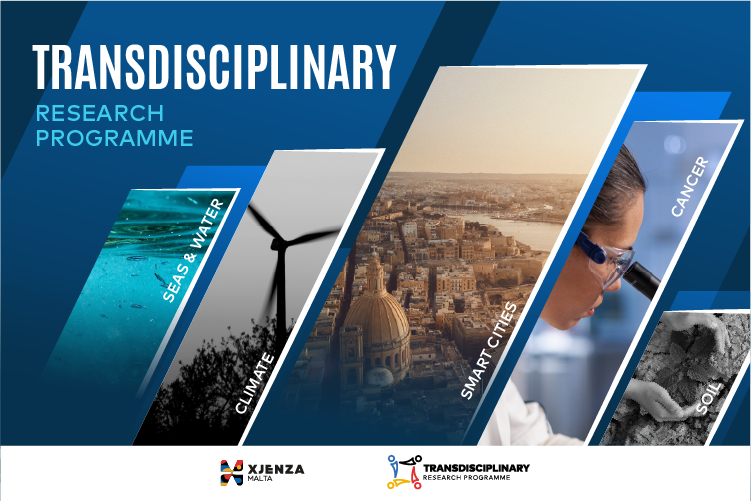
Xjenza Malta is launching a new Transdisciplinary Research Programme aimed at supporting collaborative, cross-sectoral research addressing Malta’s key societal challenges.
The programme encourages the integration of diverse disciplines and stakeholders including academia, private, public entities, and civil society, to co-create innovative solutions with tangible impact.
Projects will align with the Horizon Europe Missions: Adaptation to Climate Change, Cancer, Climate-Neutral and Smart Cities, Restore our Ocean and Waters, and Soil.
Through this initiative, Xjenza Malta seeks to strengthen national research capacity while contributing to broader European priorities.
Click here to view the TRP Application Form
 Uploaded On:
HEDGE-IoT Open Call 2 opens on 25th of June, 2026 and it will close on 25th of August, 2026 at 17:00 CET.
HEDGE-IoT Open Call 2 offers more than €1 million in funding (€1,050,133) to support up to 18 innovative projects across Europe. Successful applicants can receive up to €60,000 to develop, validate, and scale their solutions within the HEDGE-IoT ecosystem.
By participating, SMEs and innovators will:
- Leverage HEDGE-IoT’s distributed digital solutions.
- Prove the interoperability and scalability of their solutions.
- Contribute to advancing energy consumer services and the EU’s energy transition.
- …
 Uploaded On:
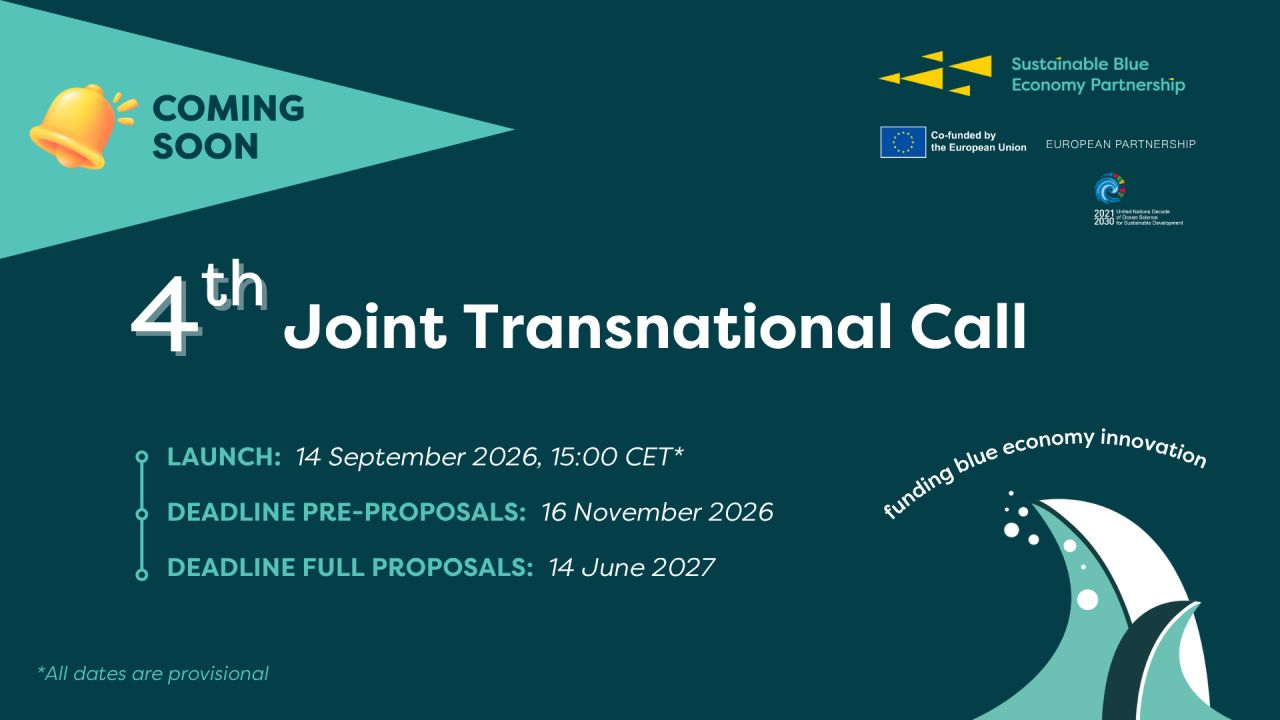
The Sustainable Blue Economy Partnership (SBEP) has preannounced its 4th Joint Transnational Call for Research and Innovation (R&I) projects in the blue economy.
💶 Funding
The call will make available close to €37 million, contributed by 35 funding organisations across 28 countries, to support transnational R&I projects that contribute to Europe's transition towards a sustainable blue economy.
Malta-based applicants are eligible to apply for funding for Research and Innovation (R&I) projects. For details, please follow Xjenza Malta…
 Uploaded On:
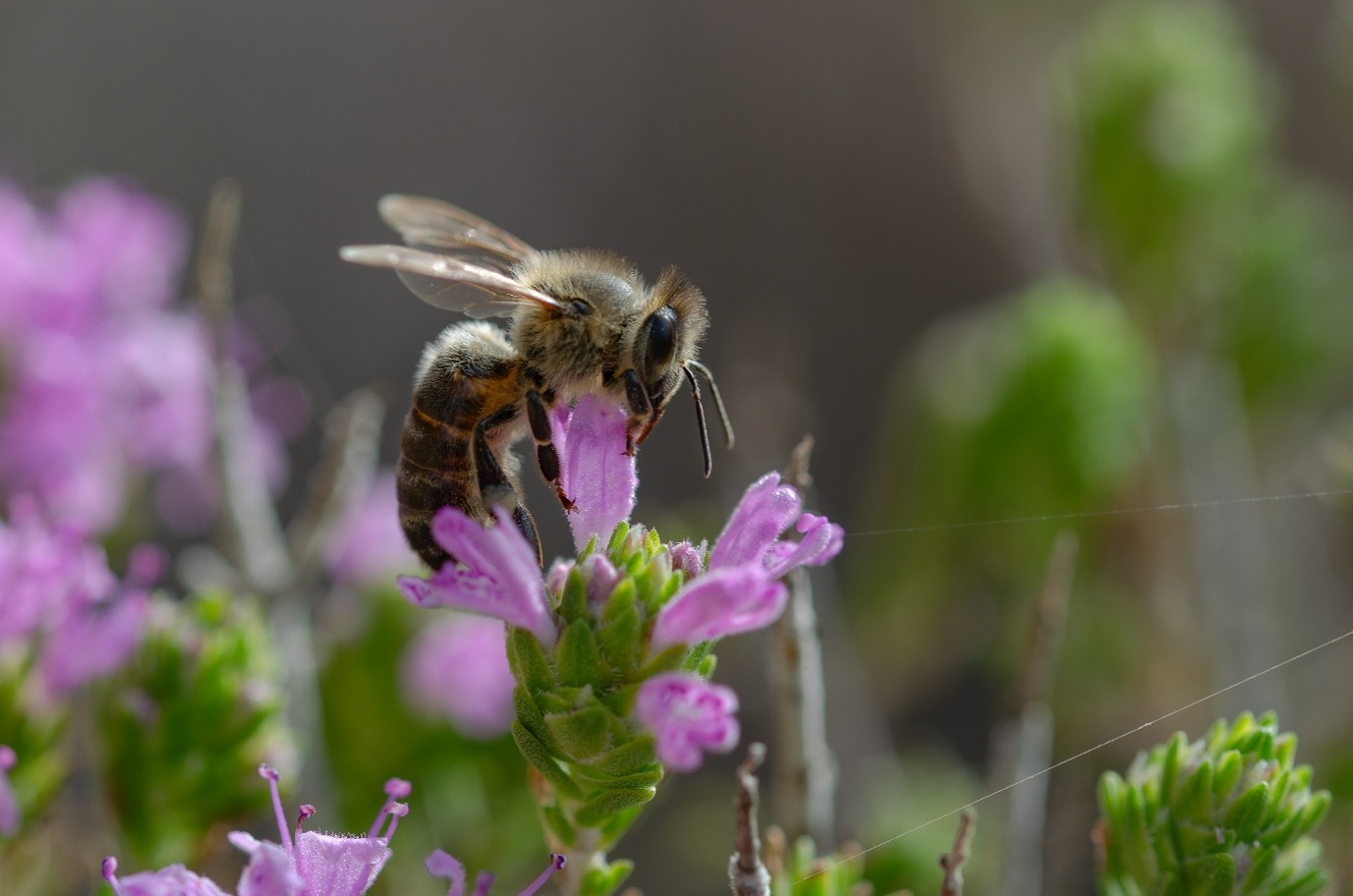
Photo credits: James Ciarlo` ©
Honey bees and other pollinators sit quietly behind much of the food we eat. By carrying pollen from flower to flower, they make it possible for most crops to set fruit. As climate change brings hotter summers, longer droughts, and an earlier, more unpredictable spring, the pressure on these small but essential workers keeps growing. Over the past years, the BeeSustain project (Integrative Modelling for Enhanced Beekeeping Carrying Capacity) set out to help Malta’s beekeepers meet that pressure with better information. Led by the University of Malta’s Biodiversity and Ecology Research Group (BERG) and funded by the Xjenza Malta Research Excellence Programme (REP) 2024, the project has now reached its conclusion, and it leaves behind a richer picture of how honey bees, other pollinators, plants, and climate fit together on the Maltese islands.
BeeSustain…