-
 Welcome to plumtriA platform for Research & Innovation
 -
 Looking for Funding?Check out the current open calls
 -
 Register today to start receiving our monthly newsletter
 -
 Looking to partner up?Search our list of registered profiles
 -
 You have questions on a particular funding programme?

News
Uploaded On:
The LSDi (Liquid State Dual fuel injection) project research team visited the Multigas plant in Hal Kirkop. The research team found the visit of great relevance given the use of cryogenics in the LSDi project and Multigas’s extensive history and expertise in the field of cryogenic operation.
Multigas serves customers in the industrial and healthcare sectors with a complete range of atmospheric and special gases, complemented with related equipment and services. In the healthcare sector, Multigas produces, imports and dispenses medicinal gases through its licensed dispensary. It produces medicinal oxygen, GMP nitrogen and medical grade air. In the industrial gases, Multigas supplies gases for metal fabrication, pharmaceutical, automotive and electronic industry. It also supplies nitrogen gas directly to ST Microelectronics.
The researchers of Project LSDi would like to express their appreciation to Multigas for hosting this informative visit mainly focused on cryogenic…
 Uploaded On:
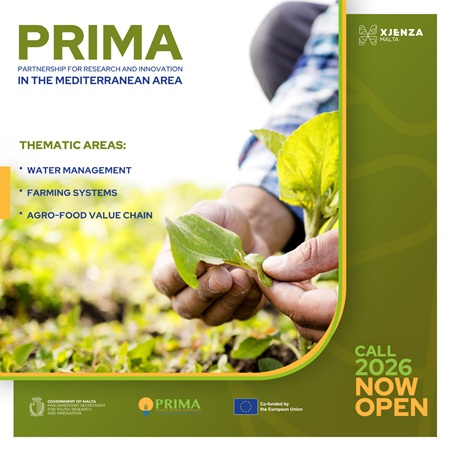
Xjenza Malta is pleased to announce the launch of the PRIMA Section 2 Call 2026—an exciting funding opportunity for Malta-based researchers and innovators to participate in transnational research projects focusing on Water Management, Farming Systems, and Agro-Food Chain.
With a national budget allocation of up to €500,000, this call enables Malta-based entities to collaborate with international partners in tackling key challenges related to the Water-Energy-Food-Ecosystems (WEFE) Nexus.
Unlocking New Opportunities
The PRIMA Section 2 Call 2026 offers eligible applicants the chance to:
Participate in transnational projects by leveraging funding and support to develop pioneering solutions in sustainable water, farming, and agro-food systems.
Address critical challenges within…
 Uploaded On:
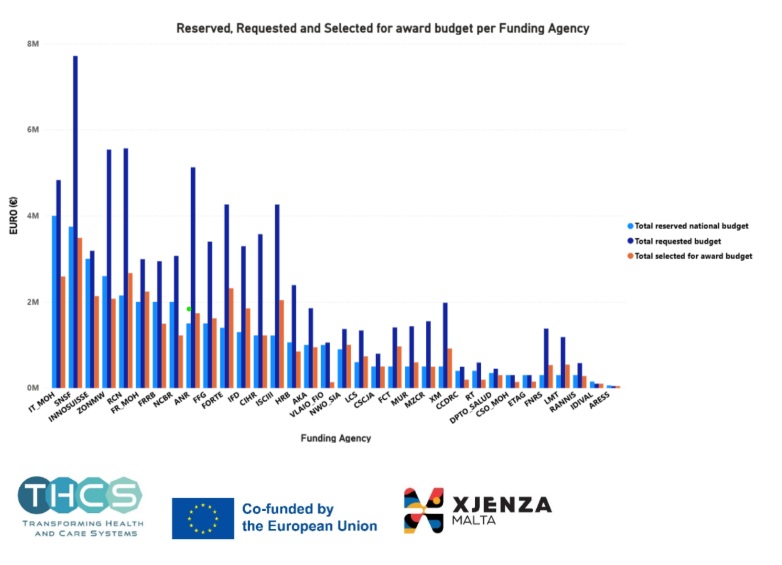
In November 2024, the THCS Partnership, co-funded by the European Commission (EC), launched its third Joint Transnational Call (JTC) to support Research and Innovation (R&I) proposals titled “Better care closer to home: Enhancing primary and community care”. This Call brought together 34 Funding Agencies from 22 countries, committing an initial budget of approximately €36 million.
From 149 eligible pre-proposals were submitted requesting €183 million. Following evaluation and a Peer Review Panel (PRP) meeting, 63 were invited to full proposal stage, where the widening initiative allowed invited consortia (under 9 partners) to add one partner from underrepresented Funding Agencies. Finally, 60 full proposals were submitted, from which, after evaluation and PRP meeting, 29 outstanding projects were selected for funding, with a 19.5% success rate and €31.8 million allocated funds (generating €6.9 million EC top-up).
…
 Uploaded On:
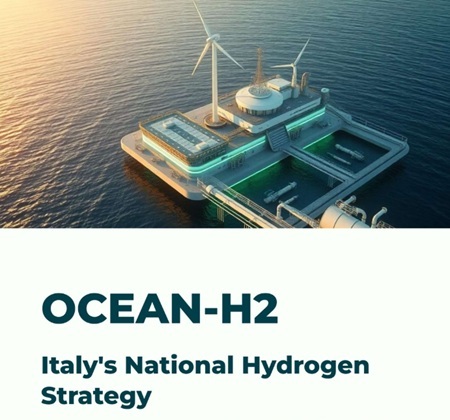
In the context of the European energy transition, hydrogen represents one of the most relevant pillars for the decarbonization of hard‑to‑abate industrial sectors, heavy mobility and large integrated energy systems.
Within the Ocean‑H2 project, an in‑depth analysis of national and European policies will be carried out, with the aim of clarifying objectives, technical constraints, operational solutions and implementation timelines, in order to obtain useful insights for energy planning, research, port logistics, industrial production and the development of H₂‑ready infrastructures.
To support the dissemination and understanding of the Italian National Hydrogen Strategy, the main contents have been transformed into a set of concise infographics designed to facilitate consultation and support decision‑making processes and project activities.
Relevance for Ocean‑H2
👉 Hydrogen is a key vector for the decarbonization of maritime and port systems.
👉 Import…
 Uploaded On:
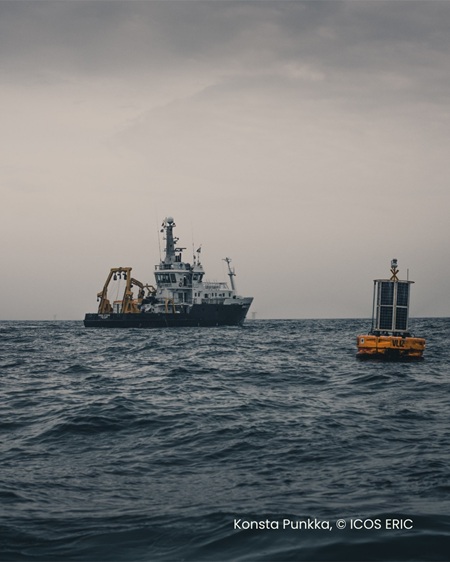
JPI Oceans’ Knowledge Hub on Ocean Carbon Capacities has produced a first assessment of Europe’s ability to collect, maintain and use surface ocean CO₂ measurements.
The audit highlights that Europe’s leadership, particularly on modelling, is increasingly under threat due to a fragile observational base, uneven regional coverage, and the loss of the European SOCAT hub. Through an evaluation of defined metrics at global, European, regional, and country-specific levels, the audit offers recommendations to restore monitoring, secure data flows, and strengthen long-term stewardship for the generation of ocean carbon information.
Information and image source.
Download the audit.
 Uploaded On:
As geopolitical competition intensifies, research and innovation are becoming central to economic strength and global influence.
The European Commission presented a new set of measures to strengthen how Europe engages internationally through research and innovation. The initiative aims to reinforce Europe’s global partnerships, while safeguarding its strategic interests, keeping international cooperation open and secure, and enhancing Europe’s attractiveness for talent and innovation worldwide.
Information and image source:
 Uploaded On:
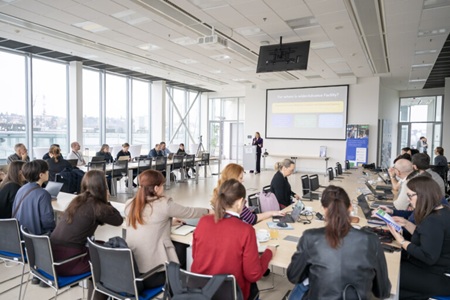
On 11 February 2026, the widerAdvance Facility organised the Mutual Learning Event “Unlocking Funding Potential: Leveraging Funding for Knowledge Valorisation” at the Czech Institute of Informatics, Robotics and Cybernetics (CIIRC), Czech Technical University in Prague. The event brought together policymakers, researchers, research managers, project coordinators, and innovation stakeholders to exchange practical insights on how knowledge valorisation and funding synergies can strengthen the long-term impact of research, particularly in Widening countries.
Katarzyna Walczyk-Matuszyk, widerAdvance Facility Coordinator at IPPT PAN, and Ian Gauci Borda from Xjenza Malta opened the event by introducing the services of the widerAdvance Facility and its role in supporting organisations through tailored coaching, training, and capacity building. They emphasised that knowledge valorisation should be embedded…
 Uploaded On:
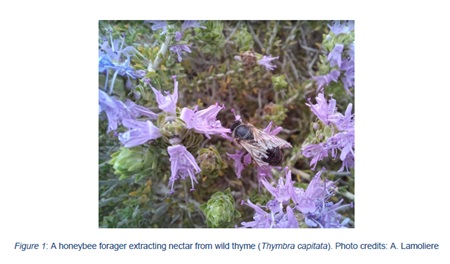
Wild Thyme Honey
Honey is distinguished according to the plants from which the bees collect their nectar. Mifsud outlines certain traits that visibly distinguish wild thyme honey (għasel tas-sagħtar): unlike most honeys, wild thyme honey ‘tends to remain in the liquid phase’, because one particularity of the thyme flower is that it contains more fructose than glucose. It is ‘the only mono-floral honey that we can produce in Malta’ (Mifsud) – that is, its nectar is primarily drawn from only one floral source. Wild thyme honey is amber in colour and has ‘a strong aromatic flavour’, says Matthew Calleja.
Maltese wild thyme honey has received international recognition, having been…
 Uploaded On:
The European Commission launched BE READY, a new European Partnership for pandemic preparedness. Through BE READY, the European Union will strengthen its capacity to anticipate, prevent and respond rapidly to epidemics and pandemics. BE READY focuses on advancing research on emerging and re-emerging pathogens and accelerating the development of diagnostics, treatments and vaccines.
Ekaterina Zaharieva, European Commissioner for Startups, Research and Innovation, said:
“Europe’s pandemic preparedness must be built on sound scientific foundations. That is why we are making €120 million from the Horizon Europe budget available for the BE READY partnership. Through BE READY, we are putting our citizens’ health first while reinforcing Europe’s innovation leadership.”
This call is accessible through the…
 Uploaded On:
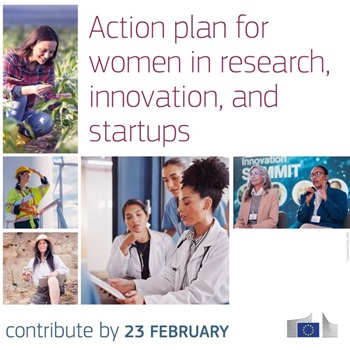
Women represent only 34% of researchers in the EU, with even lower shares in key innovation sectors and decision-making roles.
Earlier this month, Commissioner Ekaterina Zaharieva launched a public call for evidence to shape a dedicated Action plan for women in research and innovation.
It will address persistent gender gaps and promote diversity, equality and inclusiveness in the European Research Area (ERA).
The plan aims to make the ERA the world’s most attractive place for women to work in research, innovation and startups by 2030.
Share your insights on:
⭕Challenges women face in research and innovation, such as underrepresentation and bias.
⭕Specific…
 Uploaded On:
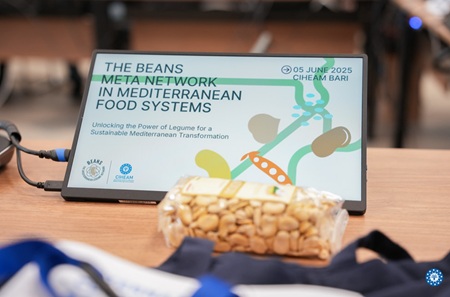
On World Pulses Day, CIHEAM is pleased to present a new initiative: BEANS ! (Boosting Euro-Mediterranean Agri-food through Networked Systems)
This Meta Network promotes legumes as a key part of sustainable Mediterranean food systems. By connecting research, policy, and practice, BEANS supports innovation, knowledge exchange, and capacity building to advance nutrition, climate resilience, and sustainable agriculture across the Mediterranean region.
Information and image source:
 Uploaded On:
The European Partnership for Brain Health is inviting applications from patients and carers who are interested in evaluating proposals for interdisciplinary and transnational research projects in the field of brain and mental health.
In January this year, the European Partnership for Brain Health launched two calls under the overarching theme: “Biological, social and environmental factors that impact the trajectory of brain health across the lifespan.” The first call focuses on neurological, mental, and sensory disorders, while the second targets neurodegenerative disorders. All submitted research proposals undergo scientific peer review to select and fund the most promising projects. In addition, the European Partnership for Brain Health organises a patient review process to ensure that funded research takes into…
 Uploaded On:
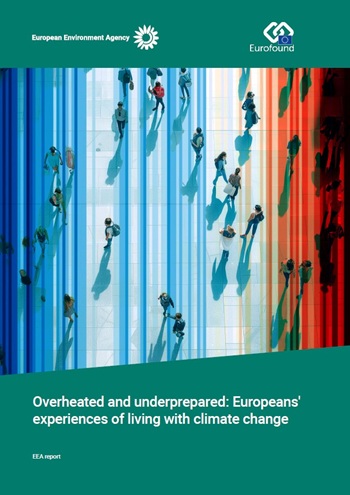
Europeans are very concerned about extreme heat and other impacts of climate change like wildfires according to the results of a Europe-wide survey published today. It found that many citizens were also underprepared to deal with the increasing frequency and magnitude of heatwaves, flooding, or water shortages in their own homes.
The results of the survey were analysed in the report 'Overheated and underprepared' published by the European Environment Agency (EEA) and the European Foundation for the Improvement of Living and Working Conditions (Eurofound). The report offers a Europe-wide overview of the perceived implementation of climate resilience measures — both those reported by survey participants at the household level and their observations of measures implemented by…
 Uploaded On:
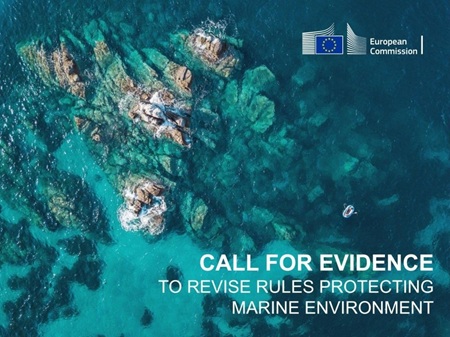
The European Commission has launched a Call for Evidence on the upcoming revision of EU rules for protecting the marine environment, including the Marine Strategy Framework Directive, MSFD.
The initiative aims to assess what has worked so far, where implementation has fallen short, and how EU legislation can better support the health and resilience of European seas.
This is a chance for researchers, civil society, industry and other stakeholders to share experience and evidence that can inform the next phase of EU marine policy.
The call is open for feedback via the Commission’s…
 Uploaded On:
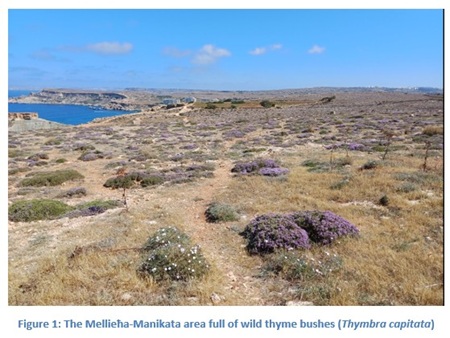
Honey production in Malta plays out on a small island with a tightly mixed landscape. Beekeepers work across fields, garrigue and settlements that sit close together, yet they are expected to deliver a product with a clear representation of the place, and one of these is Maltese wild thyme honey. The main challenge lies in making sure that the bees forage mainly from the flowers of wild thyme in such a tightly-knit landscape.
Drones and artificial intelligence make that challenge surmountable. Drone surveys and machine learning can convert thousands of overlapping images into maps that show thyme cover and thyme’s potential competitors. This study asks whether Malta can realistically and sustainably support monofloral wild thyme honey (honey made mostly from thyme nectar), and if so, where. By combining drone surveys, multispectral imaging, GIS and supervised machine learning, the team searched for thyme-exclusive…
 Uploaded On:
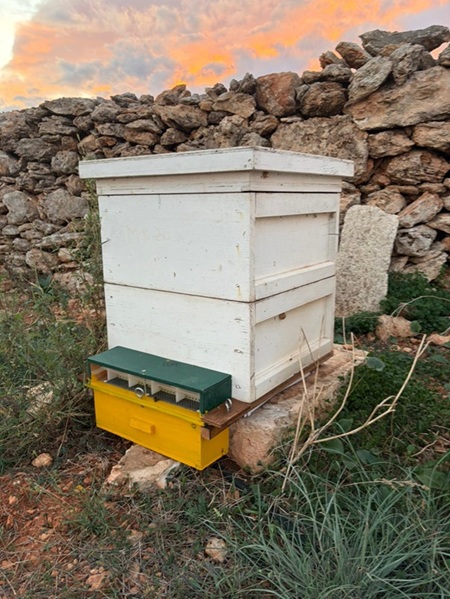
Honey bees, along with other pollinators (such as butterflies, solitary bees, etc.), are essential to our food supply; the great contribution they make to the pollination of flowering plants is vital for farming as most agricultural crops require this insect pollination to produce fruit. But, as climate change increases the frequency and intensity of droughts and heatwaves, the natural signs of Spring appear earlier in the year, further threatening the survival of honey bees and other pollinators. The BeeSustain project (Integrative Modelling for Enhanced Beekeeping Carrying Capacity), a collaborative research initiative led by the University of Malta's Biodiversity and Ecology Research Group (BERG), and is funded by the Xjenza Malta Research Excellence Programme (REP) 2024. The project aims to address these pressing concerns by testing new and innovative approaches to improve beekeeping sustainability and safeguard bee populations…
 Uploaded On:
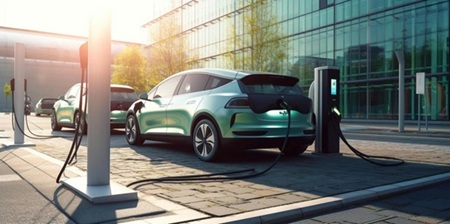
The University of Malta has successfully concluded the Hybrid Energy Storage System (HESS) project which is a major initiative exploring how renewable energy and advanced storage can power cleaner transportation. Led by Prof. Ing. John Licari from the Department of Electrical Engineering, the project was supported through the SINO-MALTA Fund 2023 Call, strengthening scientific collaboration between Malta and the People’s Republic of China.
The research focused on how solar energy, batteries and green hydrogen can work together to electrify mobility while reducing strain on the electrical grid. The study involved the modelling and control of an Electro-Hydrogen HESS-based microgrid system to optimise energy management. A schematic block diagram of the microgrid system is presented in Figure 1. The microgrid integrates the PV generation, a battery energy storage system (BESS), and a PEM electrolyser, all interconnected via a…
 Uploaded On:
We thank you for being part of this journey.
See you in
2026
 Uploaded On:
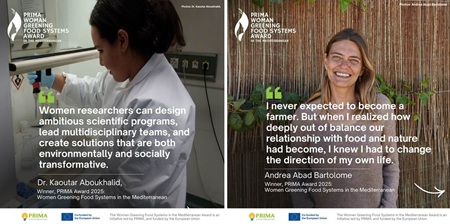
The two winners of the PRIMA Award for Women Greening Food Systems (2025 edition) are Kaoutar Aboukhalid (Morocco) and Andrea Abad Bartolome (Spain).
These women are driving change, transforming agriculture, and championing sustainability across the Mediterranean.
In the mountains of Morocco, a precious plant is vanishing. Dr. Kaoutar Aboukhalid is working to save it, one community at a time. As one of the two winners of the PRIMA Award for Women Greening Food Systems in the Mediterranean, Dr. Aboukhalid’s MOROREGEN project demonstrates that science, local knowledge, and women’s leadership can help reverse biodiversity loss.
Meet Dr. Kaoutar Aboukhalid, one of the two winners of the PRIMA Award for Women Greening Food Systems in the Mediterranean.
…
 Uploaded On:
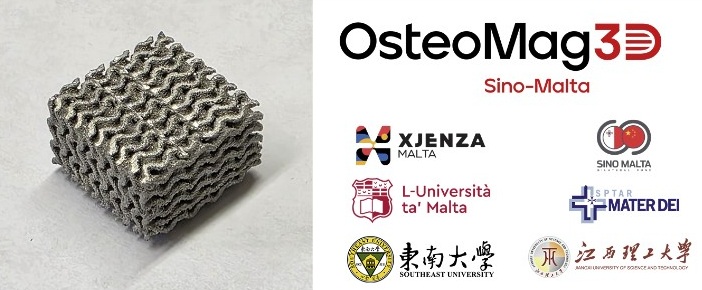
Imagine breaking a bone so severely that a piece is missing. Or imagine recovering from bone cancer, only to be left with a gap your body cannot heal on its own. Today, patients in these situations often rely on metal implants that stay in the body forever or require a second surgery to remove.
OsteoMag-3D is an international partnership that brings together Maltese and Chinese researchers with one shared goal: to create patient-specific bone implants made from a biodegradable magnesium alloy. These implants, often called scaffolds, act as temporary bone substitutes in situations where patients are left with missing bone, such as after bone cancer treatment or when fractures fail to heal. They support new bone growth and gradually dissolve as healing progresses. Over time, they are replaced entirely by natural bone, eliminating the need for a second surgery to remove the implant.
To ensure…