-
 Welcome to plumtriA platform for Research & Innovation
 -
 Looking for Funding?Check out the current open calls
 -
 Register today to start receiving our monthly newsletter
 -
 Looking to partner up?Search our list of registered profiles
 -
 You have questions on a particular funding programme?

News
 Uploaded On:
While awaiting the publication of the official notice in the Official Gazette, the following documents are now available online:
The text of Public Call No. 2/2025 for the submission of cooperation project proposals under the INTERREG VI-A Italy-Malta Programme;
The related selection criteria for operations, approved by the Programme Monitoring Committee on 29/07/2025.
The text of the call and the selection criteria are published for informational purposes only and may be subject to minor changes. They do not have legal value until their publication in the Official Gazette of the Region of Sicily.
Visit the below link to download the full documentation.
Information and logo source:
 Uploaded On:
This funding guide was developed in response to requests from the Japanese research community and brings together, in a single document, information on funding opportunities available in both the EU and Japan.
The guide is organised around key stages and interests in a research career, from doctoral training and postdoctoral research to independent research, international mobility, collaborative or consortium-based projects, and even the commercialisation of research results. For each area, it outlines relevant funding opportunities on both the EU and Japanese sides.
Information and image source:
 Uploaded On:
Artificial Intelligence (AI) is fundamentally transforming the scientific process across all stages, from hypothesis generation and experimental design to data analysis, peer review and dissemination of results. In many research fields, such as the examined protein structure prediction, materials discovery and computational humanities, AI accelerates discovery, fosters interdisciplinary collaboration and enhances reproducibility, while improving access to advanced analytical and computational capabilities. These developments align with the European Union (EU)’s vision to make AI tools and infrastructure more accessible, strengthening research in areas of strategic importance such as climate change, health, and clean technologies. However, this progress introduces new challenges, including concerns about algorithmic bias, the proliferation of hallucinations and fabricated data, and the potential erosion of critical thinking skills. AI Adoption remains…
 Uploaded On:
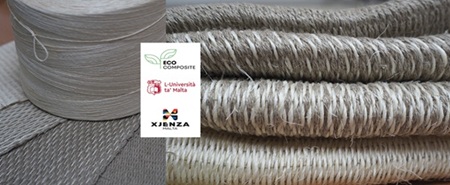
The widespread use of synthetic glass and carbon fibres in the composite manufacturing industry offers strength and rigidity but poses environmental challenges. Synthetic fibres and resins are derived from petrochemicals, are difficult to recycle, and may pose environmental or health risks during production. Natural fibres, such as sisal and flax, present a more sustainable alternative, especially when paired with biodegradable resins. Flax derived from the Linseed plant, has strong mechanical properties but is costly to cultivate, while Sisal extracted from the Agave Sisalana plant is cheaper and easier to grow but harder to process. Hybrid composites using both fibres can enhance performance, lower costs, and improving sustainability. The project ECO-Composite developed Hybrid Flax/…
 Uploaded On:
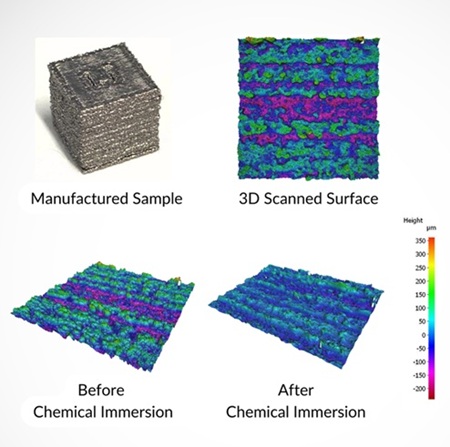
Imagine the ability to produce a critical spare part—such as a precision bracket used to securely mount components—within hours rather than weeks. This is the transformative potential of metal additive manufacturing, commonly known as metal 3D printing. This innovative technology is currently being researched at the University of Malta.
While metal 3D printing offers incredible rapid production turnaround and design flexibility, one key limitation persists: surface quality. Parts produced by powder bed fusion and other AM techniques typically exhibit high roughness due to incomplete powder melting and due to the so-called staircase effect, which results from the inherit layered nature of the process. These surface defects can compromise the mechanical and tribological performance of fabricated parts when compared to their conventionally manufactured counterparts. To address this challenge, the Green Laser…
 Uploaded On:
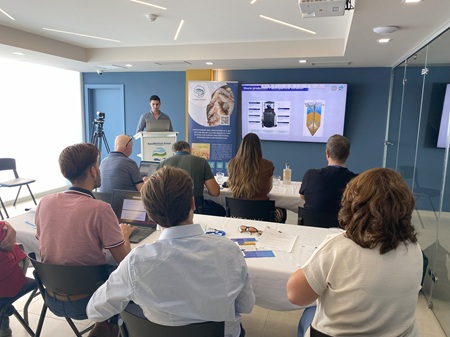
Malta, October 7th, 2025 – The BIORAS_SHRIMP project, part-financed by Xjenza Malta through the BlueBio ERA-NET Cofund on Blue Bioeconomy and Xjenza Malta, organised a specialised training course about "Improvement and Innovation of a Bio-secure Recirculating Aquaculture System (RAS) for shrimp and Additional Biomass Circular Production: Theory and Practice" The event took place last September 4 - 5, 2025, at the AquaBioTech Group Research facilities in Mosta and Aquatic Resources Malta’s facilities Għammieri Farm, in Luqa.
The course was designed to enhance knowledge and practical skills for the sustainable and bio-secure management of shrimp culture using Recirculating Aquaculture Systems (RAS). Participants engaged in in-depth theoretical sessions covering the design and management of RAS for shrimp, aquaculture effluent treatment, growth performance metrics, integrated biomass production such as aquaponics and…
 Uploaded On:
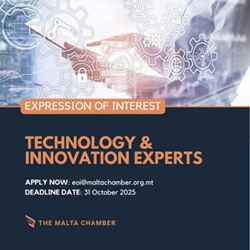
The Malta Chamber of Commerce, Enterprise and Industry is inviting Expressions of Interest (EoI) from local companies, firms, and professionals with proven expertise in technology and innovation.
The objective is to establish a trusted network of experts who can support Maltese businesses in carrying out the digitalisation transformation that they might require. The aim is to connect these businesses with reliable technology partners and strategic advisors. This initiative forms part of The Malta Chamber’s ongoing efforts to drive digitalisation, foster innovation, and strengthen Malta’s competitiveness in line with Vision 2050.
EoI responses are to be sent via email on eoi@maltachamber.org.mt by not later than 31 October 2025.
Visit the below link to download the full documentation.
…
 Uploaded On:
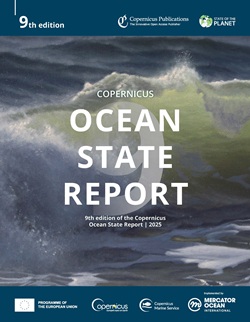
The OSR 9 provides information on changes and variations in the ocean over the past decades, with a focus on 2023 and 2024 extreme events. This year's publication explores the deeply interconnected nature of the impacts of ocean change with changes in marine ecosystems, human society, culture, and the economy.
The OSR is a yearly scientific collaboration involving more than 100 experts from Europe and around world, and compiled by the Copernicus Marine Service.
Using observation-based (remote sensing, in situ) and ocean reanalysis data, the OSR provides a comprehensive 4-dimensional (latitude, longitude, depth, and time) analysis of the Blue, Green, and White Ocean. The OSR is intended to act as a reference, providing a unique ocean monitoring dashboard for the scientific community. The Summary presents a clear overview of the key takeaways of the report, specifically created for policy makers and others with decision-making responsibilities, and for…
 Uploaded On:
When a curious mother and seasoned AI researcher dipped her toes into the world of competitive swimming, she did not expect to launch one of the most comprehensive sports-tech initiatives Malta has ever seen. Now, through two intertwined projects – DIVE and SWIM-360 – Dr Vanessa Camilleri and her team at the University of Malta are capturing the full stroke of what makes swimmers fast, efficient, and injury-free
Although it is still before eight o’clock in the morning, the Mediterranean sun is already beating down on the open-air National Pool Complex in Msida – the heart chakra of swim sports in the island nation, nestled right beside the flyover separating the university and the pool.
A thin veil of heat shimmers above the turquoise, crystal lanes, and the black sun-kissed scoreboard reads 41°C, even though the air temperature hovers just under 30. The stone bleachers, still empty of spectators, radiate the warmth stored from yesterday’s sun as early…
 Uploaded On:
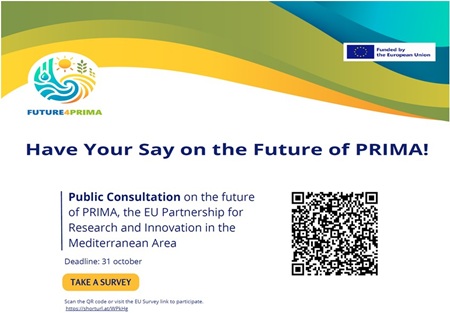
A Public Consultation is being launched on the future PRIMA Partnership (PRIMA 2). The consultation is live and will remain open until 31 October 2025. It is aimed at research centres and academia, private sector, practitioners, farmer associations, agro-food and water actors, and research and policy contacts who are central to ensuring the uptake and sustainability of results.
PRIMA (Partnership for Research and Innovation in the Mediterranean Area) is currently reflecting on its future. With the support of the Horizon Europe project FUTURE4PRIMA, preparations are underway for a possible new phase — PRIMA 2. Since 2018, PRIMA has mobilised nearly €600 million, funding over 260 cross-border projects in water, farming, food, and ecosystems.
It has created 127…
 Uploaded On:
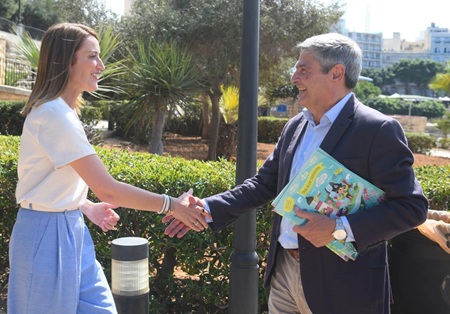
The President of the European Parliament, Roberta Metsola, met our BlueMissionMed partners XjenzaMalta, for the presentation of “Our Blue Treasure“, the ocean and waters literacy educational book developed for young audiences by our project’s partners FVA – New Media Research.
The ad hoc meeting was a pivotal moment to underline the vital role of early education in shaping environmentally conscious citizens and supporting the broader objectives of the EU Mission “Restore our Ocean and Waters by 2023”.
The discussion also provided an opportunity to present the progress and outcomes of BlueMissionMed, which brings together stakeholders across the Mediterranean to co-create sustainable solutions for the protection and restoration of marine and water ecosystems.
President Metsola’s support on…
 Uploaded On:
The Cascade Funding Partnership Programme is an innovative initiative by Sploro, designed to provide EU-funded startups with exclusive access to a curated network of leading partners and high-value perks. Our new programme brings together strategic partners across Europe and internationally, empowering startups with the resources and support needed to accelerate growth, boost innovation, and strengthen their competitive advantage.
…
 Uploaded On:
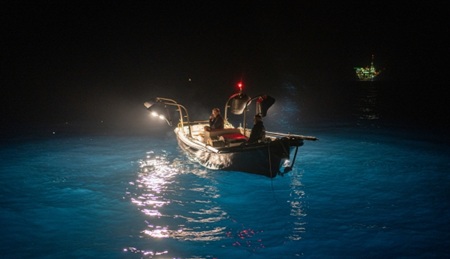
Partners from the two newly funded JPI Oceans projects ISOLUME and ALANIS will gather for their kick-off meeting in Hamburg, Germany, marking the beginning of a three-year collaboration under the Joint Call on Changing Marine Lightscapes. The meeting will serve as the first joint encounter for researchers and stakeholders working on two distinct but interconnected topics: darkening of the oceans due to freshwater runoff and rainfall, and artificial light at night (ALAN) pollution in marine environments. Participating countries include Germany, Greece, Ireland, Malta, Norway, Poland, and the United Kingdom. The projects officially began on 1 July 2025.
A JPI Oceans Knowledge Hub dedicated to Changing Marine Lightscapes will complement and support the projects' work and…
 Uploaded On:
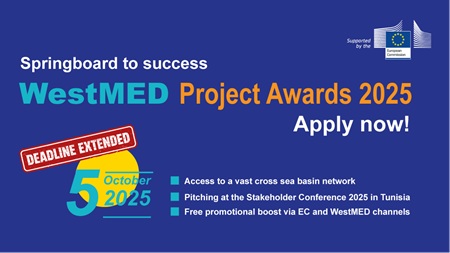
The WestMED has opened registrations for the WestMED Project Awards 2025. This is an international project competition aimed at showcasing and honouring outstanding success stories, which provide innovative and replicable solutions embodying the WestMED initiative’s vision for the Western Mediterranean.
Four categories will be featured in this year’s WestMED Project Awards, based on the western Mediterranean Roadmap priorities including;
-
Sustainable consumption and production
-
Biodiversity, marine habitat and maritime spatial planning
-
Maritime clusters and;
-
Blue skills and ocean literacy
Project award winners will have free travel and accommodation to attend the WestMED Conference 2025 in Tunis as well as a Project Pitch opportunity to showcase the project to the…
 Uploaded On:
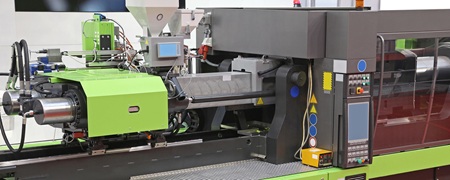
Injection moulding is a staple of industrial production, responsible for creating everything from phone cases to medical devices. It is especially preferred for producing plastic parts quickly and efficiently. But even an industry favourite process this mature is not immune to inefficiencies.
The process of injection moulding entails melting plastic material and injecting it into a mould cavity, where it cools and solidifies into the desired shape, often in just a matter of seconds. This often leads to one of its most overlooked issues – air entrapment, where pockets of trapped gas form during the injection of molten polymer into a mould. These air traps may seem minor, but they lead to significant defects like burn marks, incomplete filling, weak weld lines, and unsightly surface blemishes. They also force manufacturers to slow down cycle times or discard faulty parts, resulting in more material waste,…
 Uploaded On:
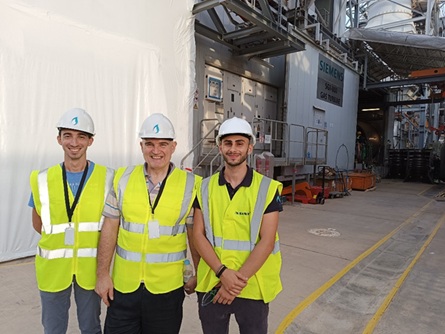
The research team behind Project LSDi (Liquid State Dual fuel Injection) visited the D4 power plant within the Delimara Power Station complex, operated by ElectroGas Malta. This power plant features a state-of-the-art combined cycle setup, consisting of three identical Siemens gas turbines – each with an output of approximately 53 MW. The exhaust from these turbines is used to generate steam in dedicated Heat Recovery Steam Generators (HRSGs), which is then delivered to a single steam turbine rated at 70 MW. This integrated system achieves a high overall efficiency, with the plant’s combined output reaching a total of around 220 MW.
The gas turbines at D4 operate exclusively on natural gas (NG), which is delivered from the Liquefied Natural Gas (LNG) regasification facility. LNG is imported and stored in a Floating Storage Unit (FSU) anchored at Delimara. At the…
 Uploaded On:
The European Commission has launched a call for evidence on the upcoming European Research Area (ERA) Act – a key legislative initiative to support the free movement of researchers, scientific knowledge, and technology across the EU.
Whether you're a researcher, policymaker, entrepreneur, or simply passionate about science and innovation, we invite you to contribute.
Click here to have your say! The ERA Act will address structural barriers, align national and EU R&I priorities, and improve research careers and infrastructure — all while promoting excellence and safeguarding…
 Uploaded On:
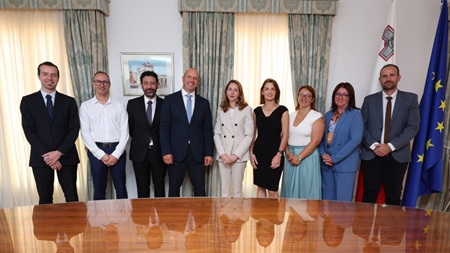
The Malta Development Bank (MDB) has launched new schemes aimed at strengthening its support for Maltese businesses, with a focus on environmental sustainability and the cultural and creative sector.
These new schemes, backed by the InvestEU programme through the European Investment Fund (EIF), mark a strategic expansion of MDB’s financial instruments. The Sustainability Schemes will support projects that promote environmental goals, while the Cultural & Creative Sector Scheme will provide targeted financing to businesses in Malta’s dynamic creative industries.
Both Bank of Valletta (BOV) and HSBC Bank Malta will begin offering loans under the MDB’s sustainability-related products. HSBC will also serve as an intermediary for the scheme related to the Cultural and Creative sectors, whilst a third bank is expected to join in the coming months.
“…
 Uploaded On:
The Mediterranean Sea is one of the most heavily used marine regions in the world, with shipping, fishing, tourism, energy, and conservation all competing for limited space. Simultaneously, the region faces increasing environmental pressure, with ecosystems under strain from both human activity and climate change. With so many competing pressures, governments are finding it harder to balance economic needs with protecting the environment.
In this context, Maritime Spatial Planning (MSP) has become an important tool for governments to coordinate the use of marine space. It allows countries to set clear priorities for how maritime activities, such as shipping, aquaculture, energy development, or marine conservation, can coexist in shared marine areas. MSP helps reduce conflicts between competing uses, such as between fishing zones and offshore infrastructure, and supports long-term environmental and economic…
 Uploaded On:
Salient Points:
- In 2023, total expenditure on R&D amounted to €121.0 million, corresponding to 0.6 per cent of GDP, an increase of €16.1 million compared to 2022.
- Basic Research was the major R&D activity, while labour costs represented 69.2 per cent of the total R&D expenditure.
- The highest proportion of expenditure by scientific field was noted in Engineering and technology, amounting to 51.2 per cent of the total R&D expenditure.
- 3,460 employees were engaged in R&D, with 1,955 on a part-time basis.
- In 2024, the highest disbursements of Government Budget Allocations for R&D (GBARD) were recorded in the R&D financed from General University Funds for Social Sciences.
Visit the below link to read full report.